Landslide at Guinea Landfill Kills 30 as Heavy Rains Trigger Waste Collapse
At least 30 people have died after a massive mound of waste collapsed at a landfill in Guinea’s capital, Conakry, following heavy overnight rainfall.
The disaster occurred in the early hours of Sunday, August 23, at the Dar Es Salam landfill, the largest open-air waste dump in Conakry. According to Guinea’s government, heavy rains that began at around 2 a.m. caused the huge pile of refuse to collapse, sending tonnes of waste onto nearby tents, shacks and homes.
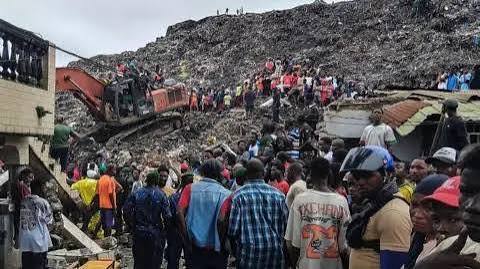
Authorities said 22 people were injured, including six who sustained serious injuries. Several homes were also destroyed in the collapse, while rescue teams continued searching through the debris for possible survivors. The incident took place in the Gbessia commune of Conakry and has raised renewed concerns about the dangers faced by communities living close to poorly managed waste sites, particularly during Guinea’s rainy season.
Landfill Was Set to Close
The tragedy came just days after Guinean authorities announced plans to close the landfill because of safety concerns. Officials had reportedly issued eviction notices to residents living around the waste site and planned to relocate the landfill’s waste outside Conakry.
However, many residents were still in the area when the disaster occurred. Lt. Col. Baldé Mamadou Bailo, a sanitation officer with the military engineering battalion, said the landfill had been scheduled for closure on the same day as the collapse. Dienabou Touré, Guinea’s minister of territorial administration and decentralisation, said authorities would work to relocate families who remained near the site.
Rescue Operation Underway
Rescue workers used excavators and other equipment to clear the enormous quantity of waste covering the affected area. Witnesses said the landslide was large enough to bury substantial structures alongside the makeshift dwellings near the landfill. Guinea's Prime Minister, Amadou Oury Bah, visited the site to assess the damage and oversee the government’s response. Authorities appealed to residents to remain calm and cooperate with emergency and rescue teams.
The disaster highlights the wider challenges facing rapidly growing African cities, where inadequate waste management, informal settlements and seasonal heavy rainfall can combine to create serious risks for communities.
A Wider Environmental Challenge
Guinea is rich in natural resources, including bauxite, iron ore, gold and diamonds. However, the country continues to face significant infrastructure and development challenges. The collapse at Dar Es Salam has renewed calls for safer waste-disposal systems and the relocation of vulnerable communities away from hazardous landfill sites.
For families who lost loved ones and homes, however, the immediate priority remains rescue, recovery and assistance to those affected by one of Conakry’s deadliest recent landfill disasters.
The death toll reported by the Guinean government stands at 30, while rescue and recovery operations followed the collapse.
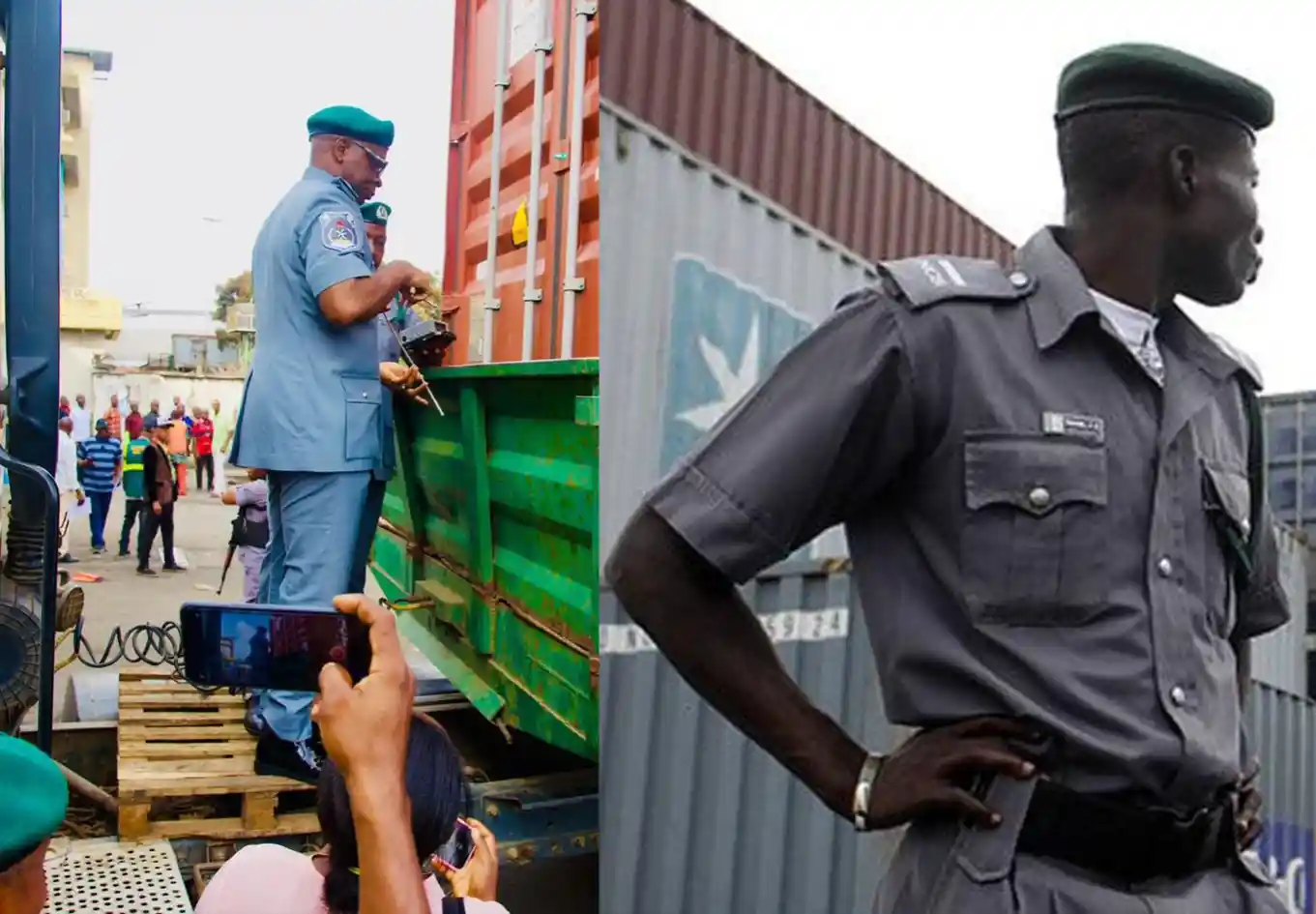
NIGERIA CUSTOMS GENERATES ₦1.38 TRILLION IN TWO MONTHS
Technology, trade facilitation and anti-smuggling operations drive July-August revenue performance.
ABUJA The Nigeria …

OIL PRICES RISE AS US-IRAN CONFLICT DEEPENS FEARS OVER GLOBAL ENERGY SUPPLIES
Strait of Hormuz disruption becomes major concern for international markets
LONDON/NEW YORK — International oil markets…

NIGERIA'S ECONOMY CONTINUES TO SHOW SIGNS OF GROWTH
GDP expansion accelerates from first quarter while non-oil sector remains dominant
ABUJA Nigeria's economy expanded by…
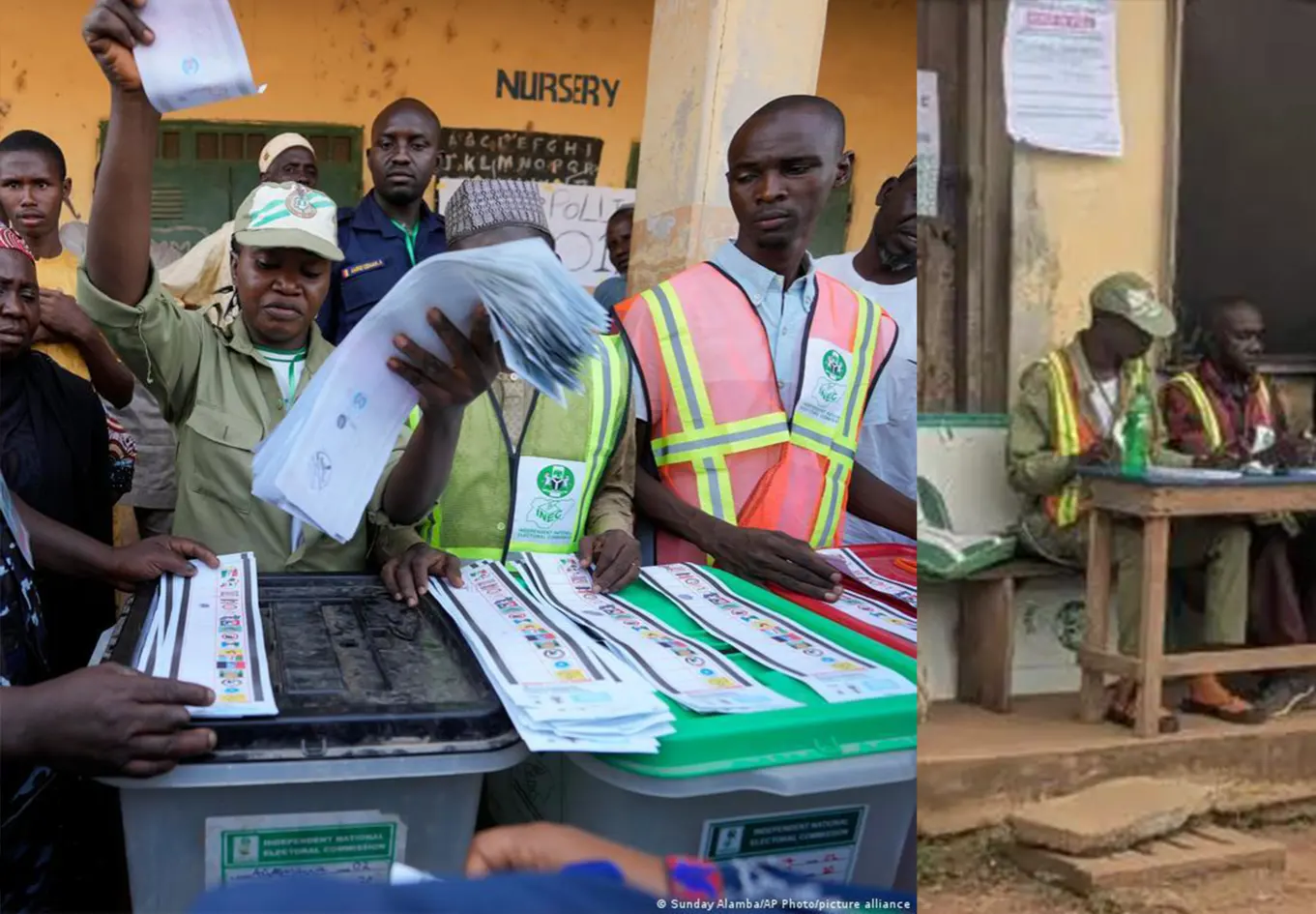
TSIEC MOVES TO STRENGTHEN PARTNERSHIP WITH POLITICAL PARTIES AHEAD OF TARABA ELECTIONS
Electoral commission promises credible process as stakeholders seek greater confidence in local polls
JALINGO, TARABA …
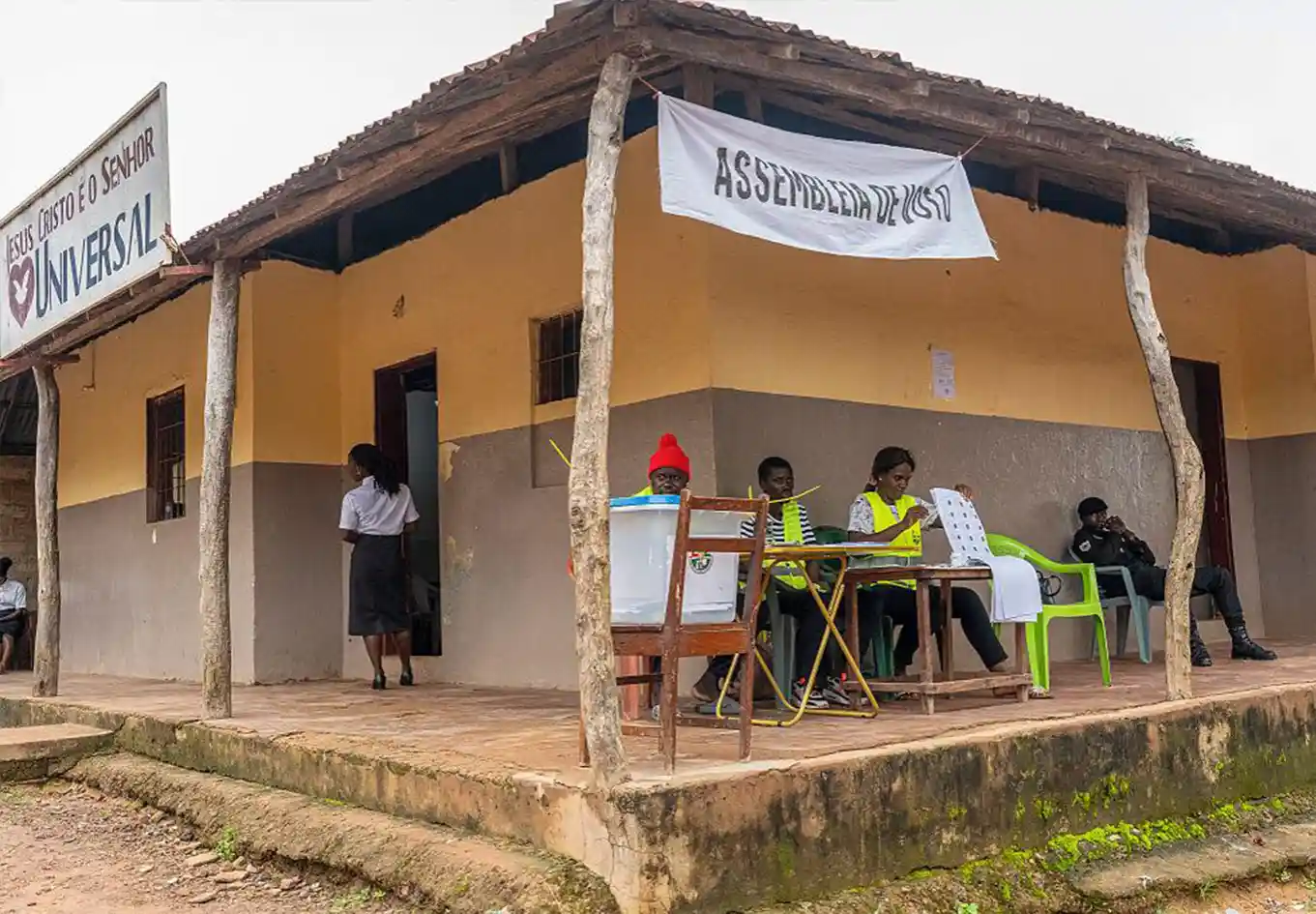
GUINEA-BISSAU VOTERS APPROVE NEW CONSTITUTION AS PRESIDENTIAL POWERS EXPAND
Referendum reshapes political system ahead of planned return to civilian rule
BISSAU Voters in Guinea-Bissau have appro…