NIGERIA'S ECONOMY CONTINUES TO SHOW SIGNS OF GROWTH
GDP expansion accelerates from first quarter while non-oil sector remains dominant
ABUJA Nigeria's economy expanded by 4.43 per cent year-on-year in real terms in the second quarter of 2026, according to the latest Gross Domestic Product report released by the National Bureau of Statistics.
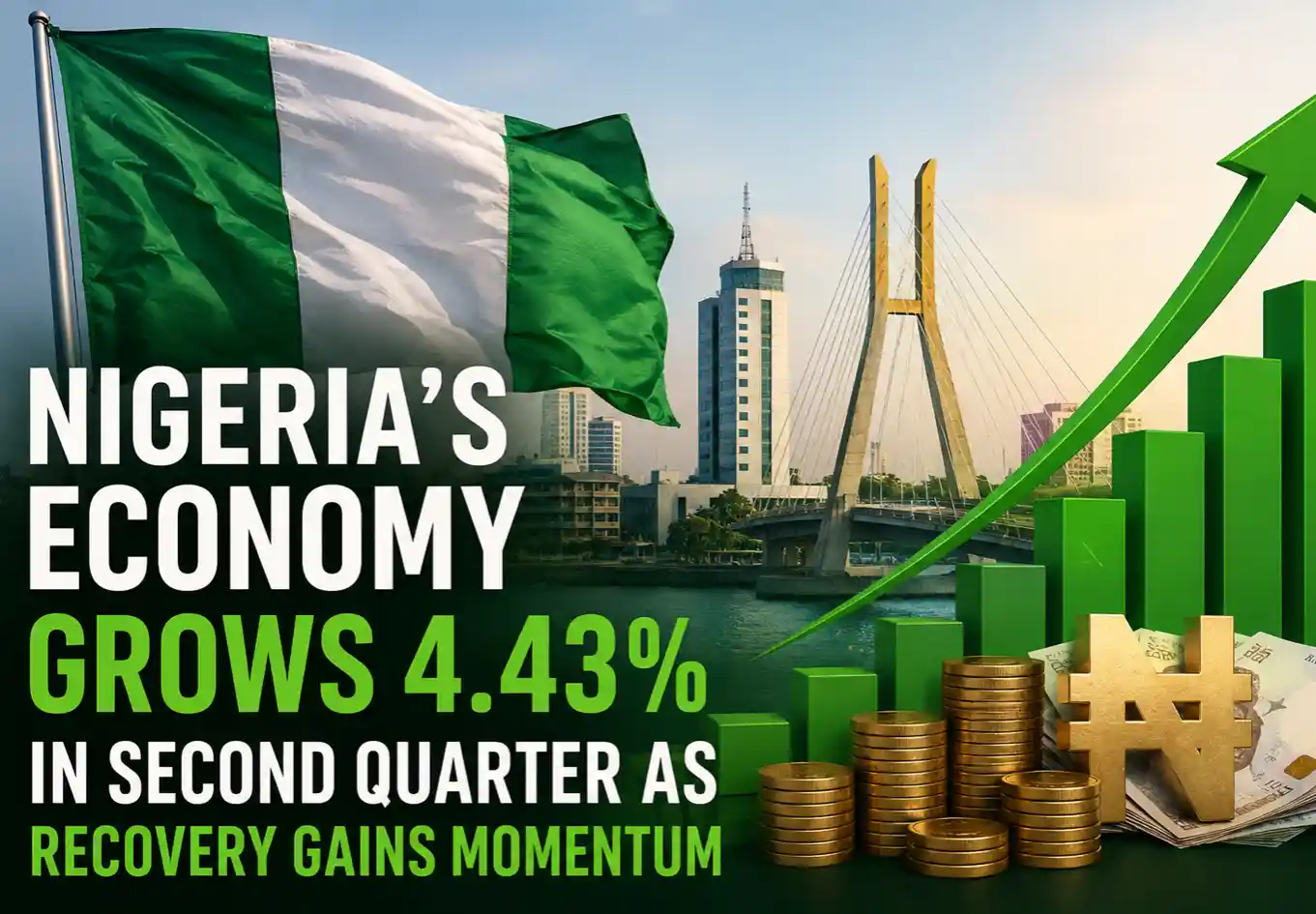
The figure represents an acceleration from the 3.89 per cent growth recorded in the first quarter of 2026 and also exceeds the 4.23 per cent recorded in the corresponding quarter of 2025.The latest performance provides a positive signal for an economy that has been undergoing significant reforms and adjustments.
In nominal terms, Nigeria's GDP stood at approximately ₦119.29 trillion during the quarter, while real GDP was estimated at about ₦53.47 trillion. What is driving the growth? The latest figures show that Nigeria's economic expansion is being supported by activity across both oil and non-oil sectors. The non-oil economy continues to account for the overwhelming majority of economic output, highlighting the growing importance of services, agriculture, manufacturing, trade and other sectors outside crude oil. Improved crude oil production also contributed to the stronger quarterly performance. For a country that has historically depended heavily on petroleum revenue, the continued dominance of the non-oil sector is significant.
It suggests that economic activity is increasingly spread across different areas of the economy, although challenges remain. Growth versus household reality Despite the positive GDP figures, many Nigerians may ask an important question: What does economic growth mean for ordinary households? Economic growth measures the increase in overall economic activity, but it does not automatically mean that every household becomes richer. Families can continue to experience financial pressure even when GDP is rising. Food prices, transportation costs, rent, electricity expenses and other household costs remain important issues for consumers. For businesses, the cost of energy, credit, transportation and foreign exchange also continues to influence investment and expansion decisions.
This means the government faces a second challenge: ensuring that economic growth translates into jobs, stronger incomes and improved living standards. The importance of agriculture Agriculture remains particularly important for Nigeria because of its connection to food security and employment. Improved agricultural output can help strengthen rural economies and reduce pressure on food supplies. However, farmers still face challenges involving transportation, storage, access to credit, insecurity and changing weather conditions. Addressing these challenges could help Nigeria convert agricultural potential into stronger economic growth.
What happens next? The sustainability of the current growth trend will be closely watched over the coming quarters. Investors will want to know whether the reforms currently being implemented can create a more predictable business environment. Businesses will also watch inflation, interest rates, exchange rates and consumer demand. For government policymakers, the objective will be to maintain growth while addressing the economic pressures facing citizens.
The latest GDP figures are therefore encouraging, but they are only one part of Nigeria's economic story. The bigger test will be whether the growth becomes broad-based, creates employment and improves purchasing power. For Nigerians, the ultimate measure of economic recovery will not simply be a percentage in a GDP report. It will be whether families can afford food, businesses can expand, young people can find employment and communities can experience better economic opportunities.

CATASTROPHIC FLOODS HIT NEPAL AS DEATH TOLL SOARS ABOVE 1,000
KATHMANDU, NEPAL Nepal is facing one of its most devastating natural disasters in recent years after catastrophic floodi…

John Ternus officially took over as Apple's new Chief Executive Officer
CUPERTINO, CALIFORNIA Apple announced that Tim Cook will become executive chairman of Apple’s board of directors and Jo…

NOVAK DJOKOVIC SUFFERS SHOCK US OPEN EXIT AFTER GRUELLING FIVE-SET
NEW YORK, UNITED STATES Novak Djokovic's pursuit of a record-extending 25th Grand Slam title suffered a stunning setback…
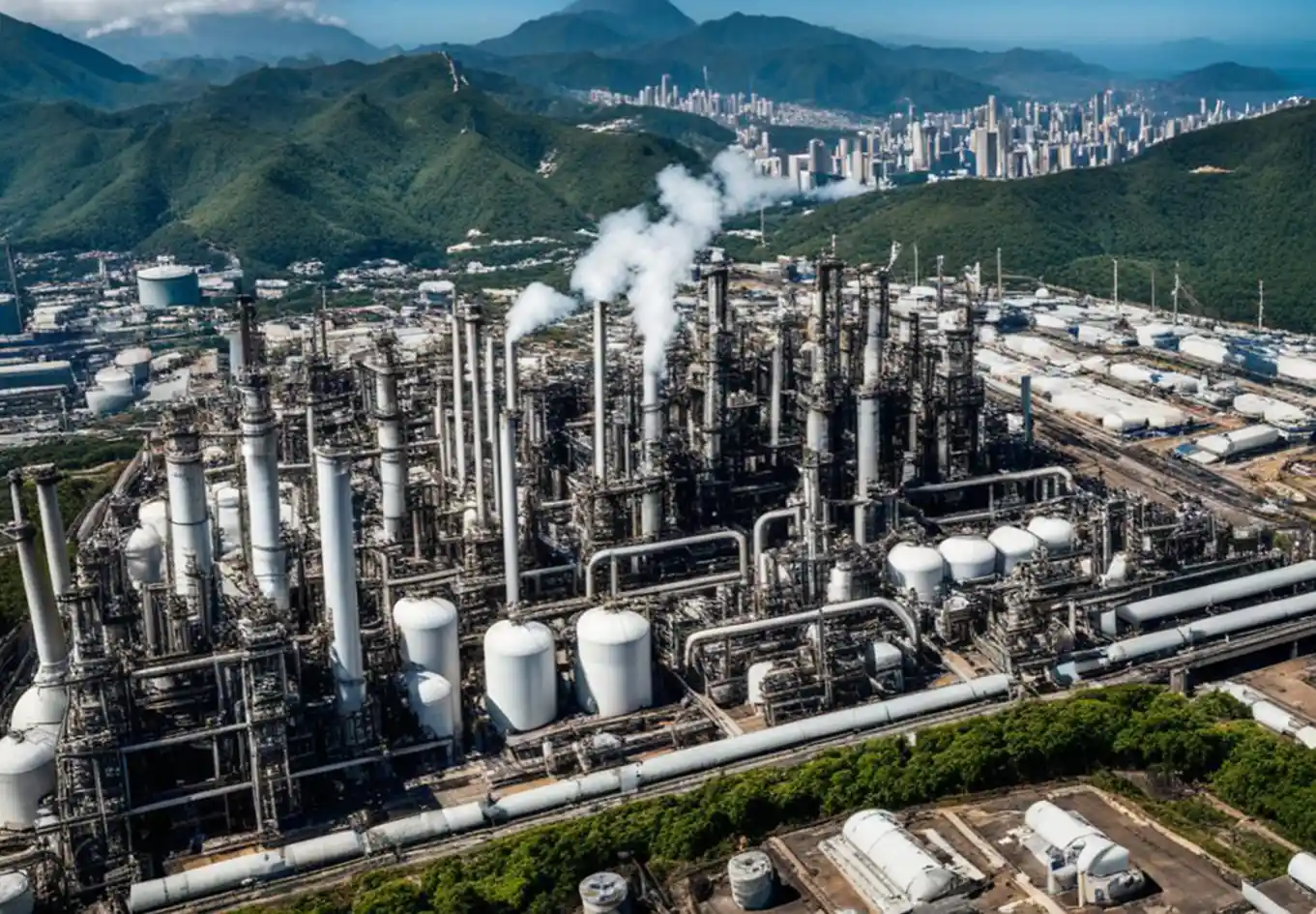
U.S.–VENEZUELA OIL DEAL: WASHINGTON SECURES CONTROL OF 65 BILLION
WASHINGTON CARACAS The United States and Venezuela have reached a landmark oil agreement that could dramatically reshape…
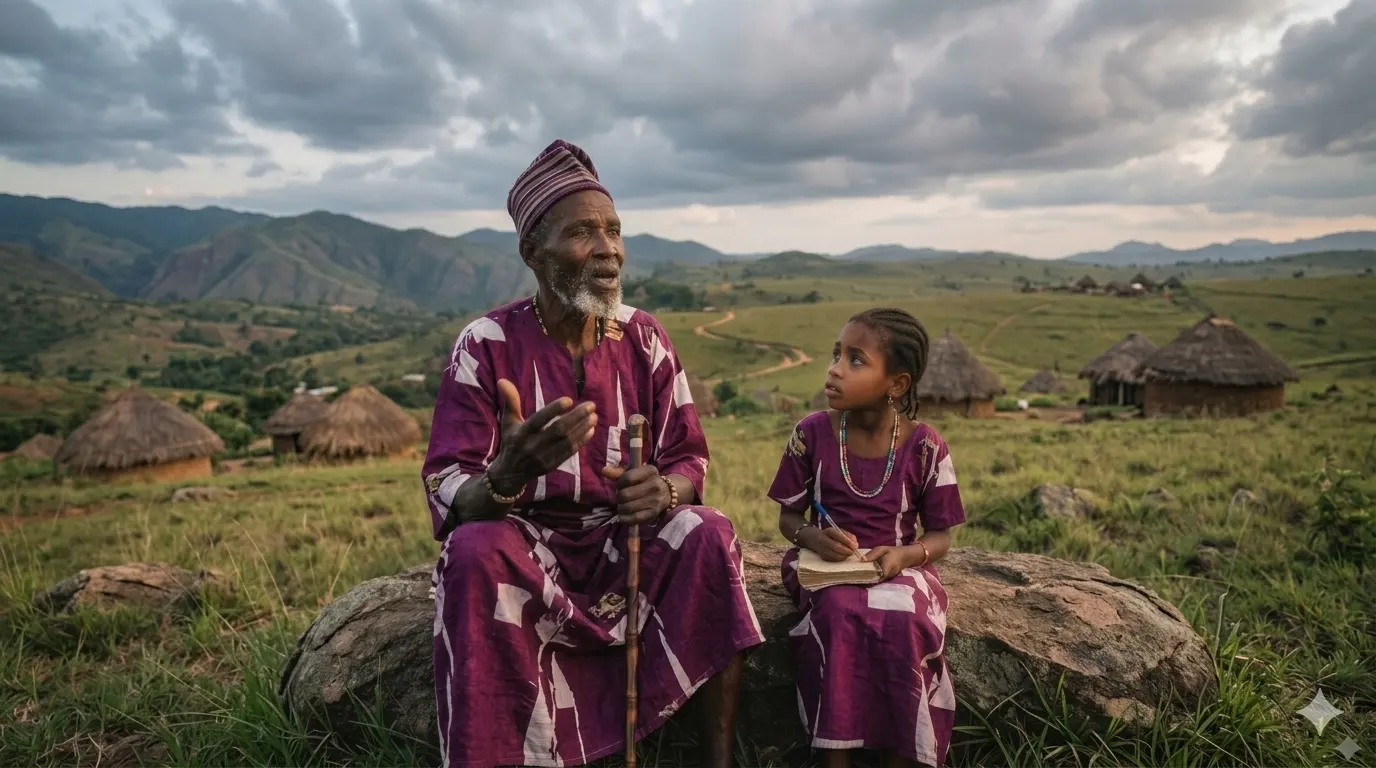
THE MAMBILLA IDENTITY: WHO WILL SPEAK OUR LANGUAGE FOR US?
I recently walked through Gembu town, and I could not help but notice how drastically it has changed. Gembu has grown tr…