GUINEA-BISSAU VOTERS APPROVE NEW CONSTITUTION AS PRESIDENTIAL POWERS EXPAND
Referendum reshapes political system ahead of planned return to civilian rule
BISSAU Voters in Guinea-Bissau have approved a new constitution that will significantly strengthen the powers of the presidency and reduce the size of parliament.
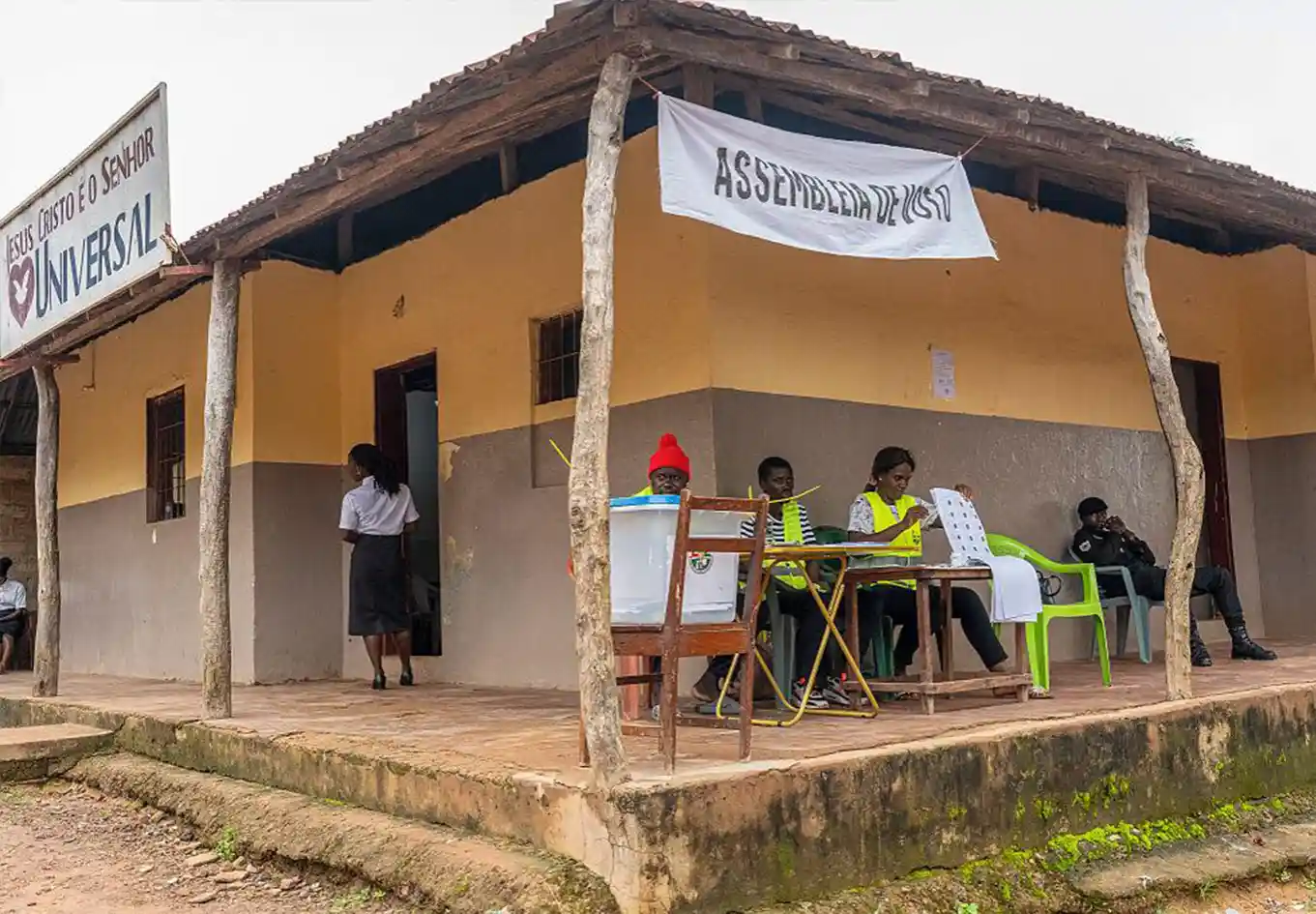
Provisional results indicate that approximately 70 per cent of voters supported the constitutional changes, while 30 per cent voted against them.
The referendum represents a major political development for the West African country, which has experienced years of political instability and a history of military intervention.
A major change to the political system
One of the most important changes under the new constitution is the strengthening of presidential authority.
The reforms give the president greater control over the appointment and dismissal of the prime minister and government ministers. The new system also changes the relationship between the presidency and parliament.
Parliament itself will be reduced from 102 seats to 65, according to provisional information about the new charter. Supporters argue that the reforms could help create a more stable political system and reduce the institutional conflicts that have affected Guinea-Bissau in the past.
Critics raise concerns
The reforms have also attracted criticism. Opposition groups and civil society organizations have questioned the process through which the new constitution was developed and have raised concerns about the concentration of power in the presidency.
The debate is particularly sensitive because Guinea-Bissau is currently under military rule following the coup of November 2025.The constitutional referendum is therefore taking place within a wider process aimed at establishing a new political framework and eventually returning the country to civilian government.
West Africa watches closely
Guinea-Bissau's political developments are important beyond its borders. West Africa has experienced several coups and political transitions in recent years, creating concerns about the future of democratic governance across the region.
The Economic Community of West African States, ECOWAS, and other international institutions have repeatedly emphasized the importance of constitutional government and peaceful political transitions.
The way Guinea-Bissau manages its transition could therefore influence regional perceptions of democratic governance.
Elections ahead
The constitutional changes are expected to shape the political environment ahead of planned presidential elections in December. Political parties will now have to prepare for an electoral system operating under new constitutional rules.
The major question will be whether the new framework succeeds in producing political stability without weakening institutional checks and balances.
A critical moment
Guinea-Bissau now stands at an important political crossroads. Supporters of the new constitution believe stronger presidential authority could end years of political deadlock. Critics fear that concentrating too much power in one office could weaken democratic institutions.
The success of the new system will ultimately depend not only on what is written in the constitution but on how political leaders, institutions and citizens use the new framework. As the country moves toward its next elections, Guinea-Bissau's transition will remain an important story for West Africa and the wider international community.
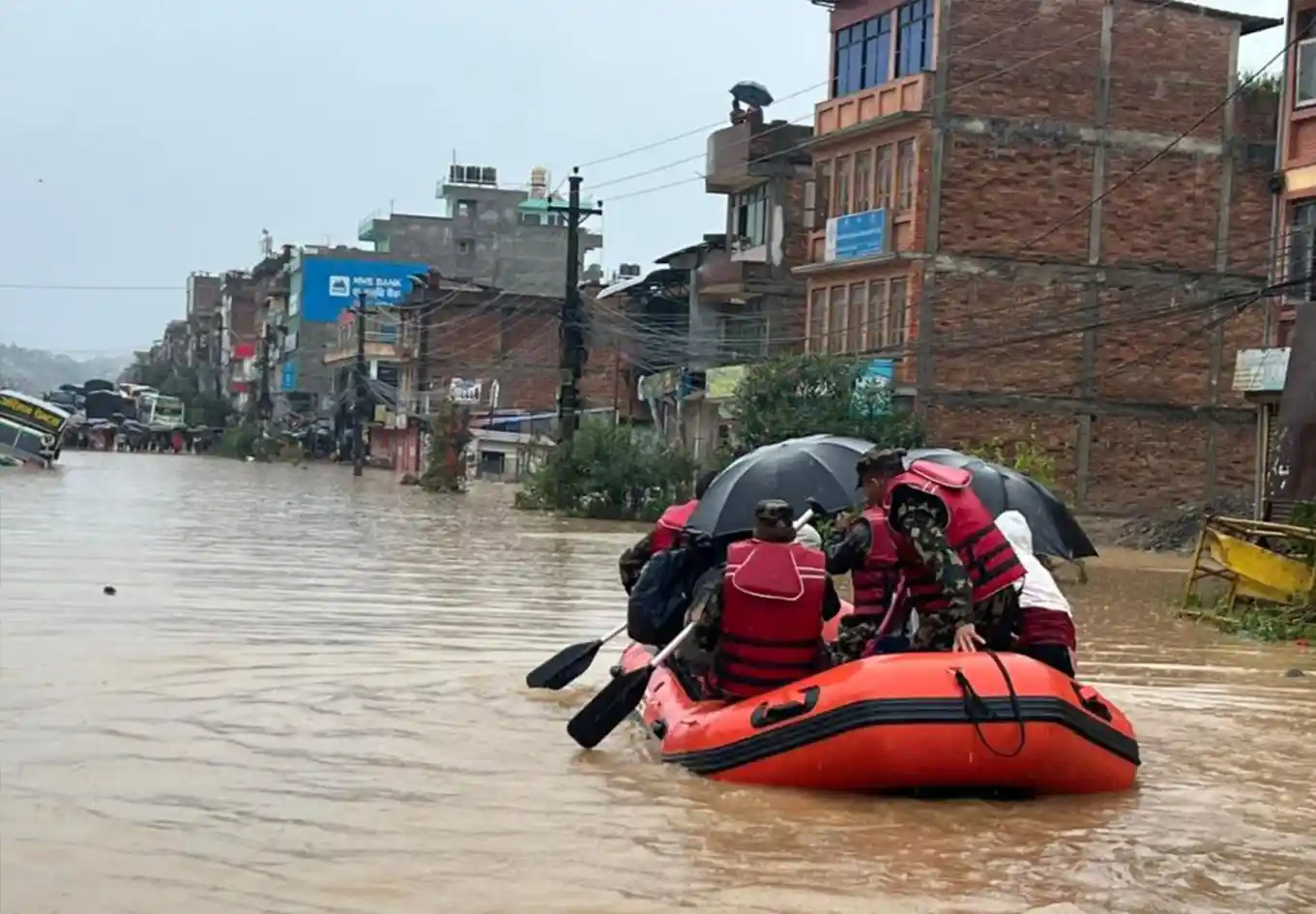
CATASTROPHIC FLOODS HIT NEPAL AS DEATH TOLL SOARS ABOVE 1,000
KATHMANDU, NEPAL Nepal is facing one of its most devastating natural disasters in recent years after catastrophic floodi…
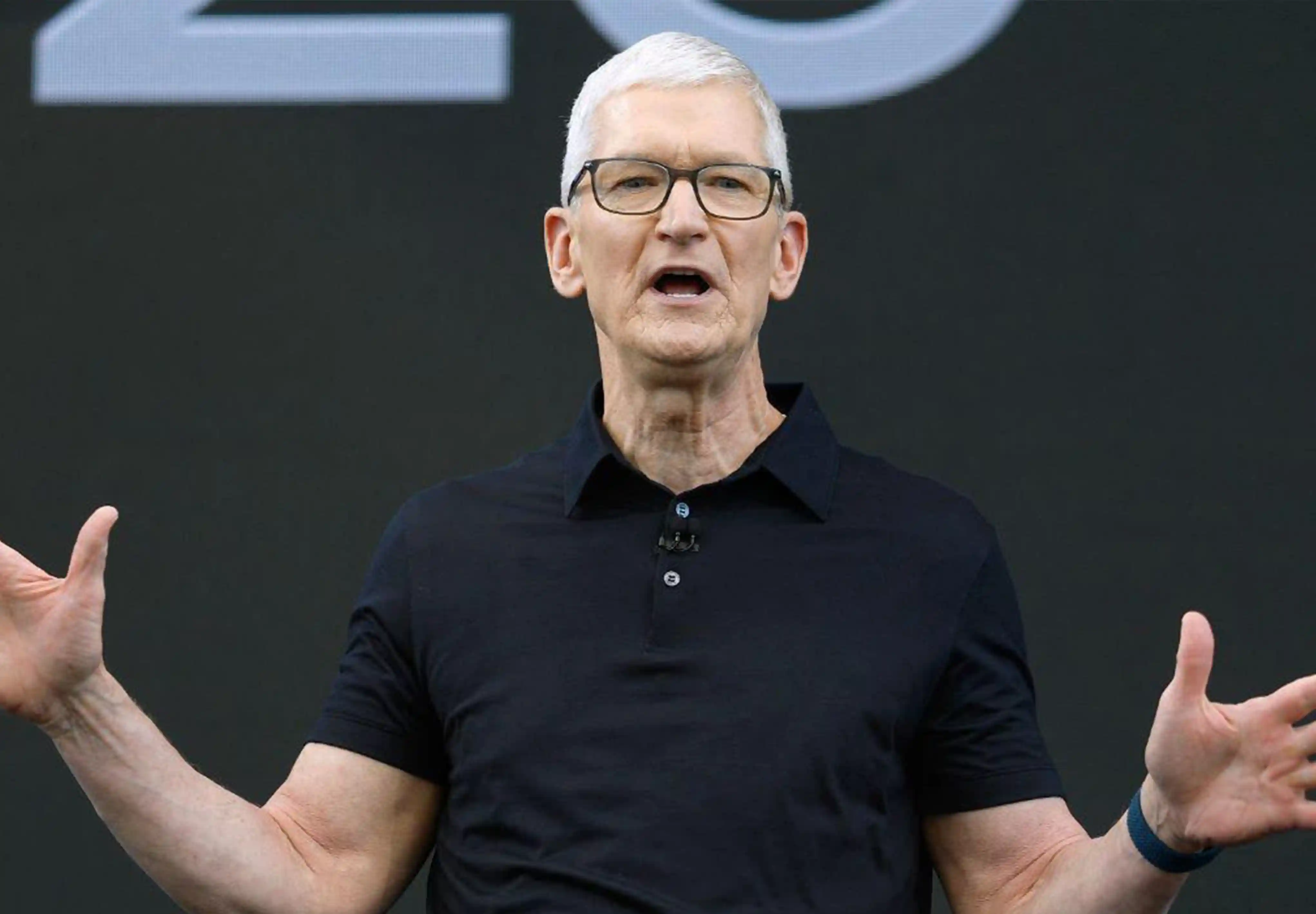
John Ternus officially took over as Apple's new Chief Executive Officer
CUPERTINO, CALIFORNIA Apple announced that Tim Cook will become executive chairman of Apple’s board of directors and Jo…

NOVAK DJOKOVIC SUFFERS SHOCK US OPEN EXIT AFTER GRUELLING FIVE-SET
NEW YORK, UNITED STATES Novak Djokovic's pursuit of a record-extending 25th Grand Slam title suffered a stunning setback…
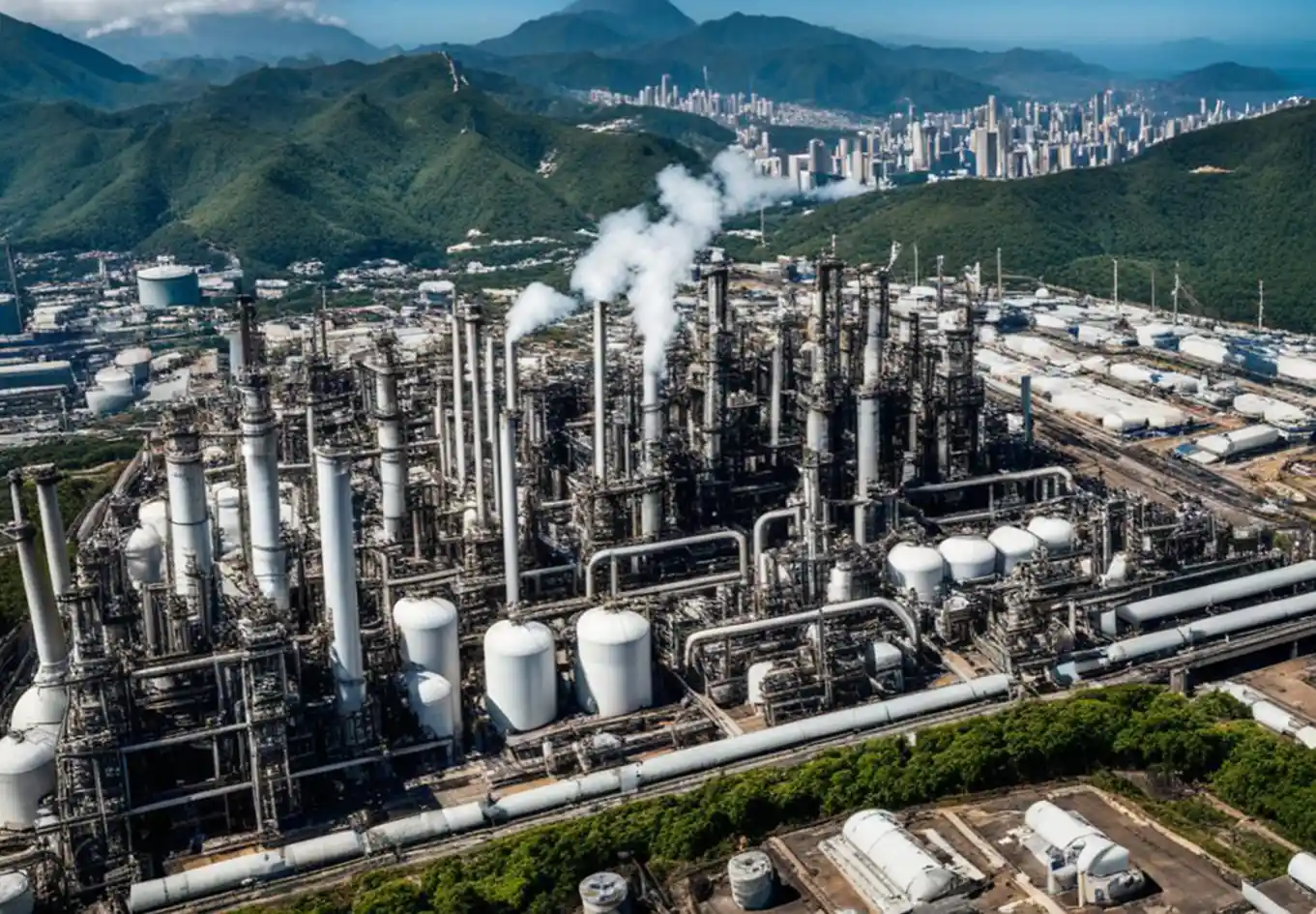
U.S.–VENEZUELA OIL DEAL: WASHINGTON SECURES CONTROL OF 65 BILLION
WASHINGTON CARACAS The United States and Venezuela have reached a landmark oil agreement that could dramatically reshape…
THE MAMBILLA IDENTITY: WHO WILL SPEAK OUR LANGUAGE FOR US?
I recently walked through Gembu town, and I could not help but notice how drastically it has changed. Gembu has grown tr…