OIL PRICES RISE AS US-IRAN CONFLICT DEEPENS FEARS OVER GLOBAL ENERGY SUPPLIES
Strait of Hormuz disruption becomes major concern for international markets
LONDON/NEW YORK — International oil markets have come under renewed pressure following the latest escalation between the United States and Iran, with traders increasingly concerned about possible disruptions to energy shipments through the Strait of Hormuz.
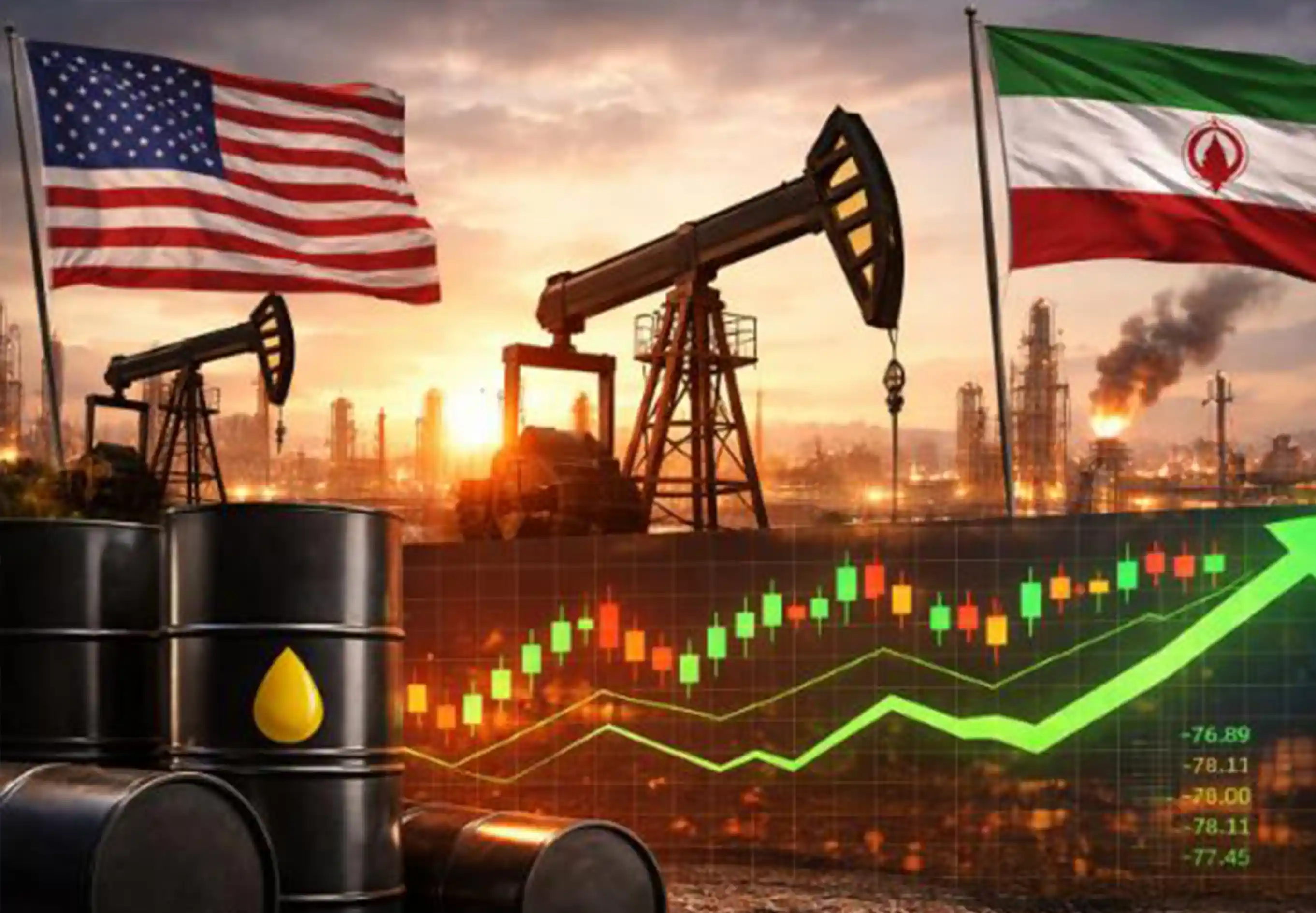
Oil prices rose to more than one-month highs during trading on Wednesday before easing somewhat as investors assessed the latest military developments. Reuters reported that Brent crude had climbed to an intraday high of about $97.04 per barrel before later trading around $94.74.
The movement reflects the sensitivity of energy markets to developments in the Middle East.
Why oil traders are worried
The Strait of Hormuz is a narrow but strategically critical waterway. Large quantities of crude oil and other energy products normally pass through the route, making it essential to global energy supply chains.
When military tensions rise around the strait, shipping companies and traders become concerned about whether tankers can move safely. Even before a physical shortage occurs, the possibility of disruption can push prices higher because markets begin pricing in additional risk.
Impact on the global economy
Higher oil prices can affect almost every major economy. Oil is used directly in transportation and indirectly in manufacturing, agriculture, aviation, shipping and electricity generation. When crude prices rise significantly, businesses may face higher operating costs.
Those costs can eventually be passed on to consumers through higher prices. Central banks also pay attention to oil prices because sustained energy inflation can complicate efforts to control overall inflation.
What it could mean for Nigeria
Nigeria is one of Africa's major oil-producing countries, making developments in global crude markets particularly important. Higher international oil prices can potentially increase Nigeria's oil export earnings and government revenue.
However, the relationship is not always straightforward. Nigeria's actual benefit depends on production levels, crude output, fiscal arrangements, exchange rates and domestic energy policies. At the same time, global energy disruptions can create wider inflationary pressures.
Financial markets react
Oil is not the only market responding to the conflict. Global investors are also monitoring stock markets, currencies, bonds and shipping-related assets. When geopolitical uncertainty increases, investors often become more cautious. Markets can therefore experience sharp movements even before the full economic consequences of a crisis become clear.
Businesses prepare for uncertainty
Companies involved in transportation, manufacturing, aviation and logistics are particularly sensitive to energy costs. If the conflict continues and oil prices remain elevated, businesses may have to reconsider budgets and operating costs.
Airlines, for example, can face increased fuel expenses, while transport companies may face higher diesel and petrol-related costs. Manufacturers may also face increased energy and logistics expenses.
The diplomatic factor
The future direction of oil prices will depend heavily on the military and diplomatic developments between the United States and Iran. If hostilities decrease and shipping through the Strait of Hormuz returns to normal, some of the geopolitical risk premium could disappear from oil prices.
If attacks continue or commercial shipping becomes increasingly restricted, prices could rise further. For now, energy traders remain focused on developments around the Strait of Hormuz. The latest crisis once again demonstrates how events in one part of the world can rapidly affect economies and households thousands of kilometers away.
For Nigeria and other oil-producing countries, the situation presents both potential opportunities and risks.
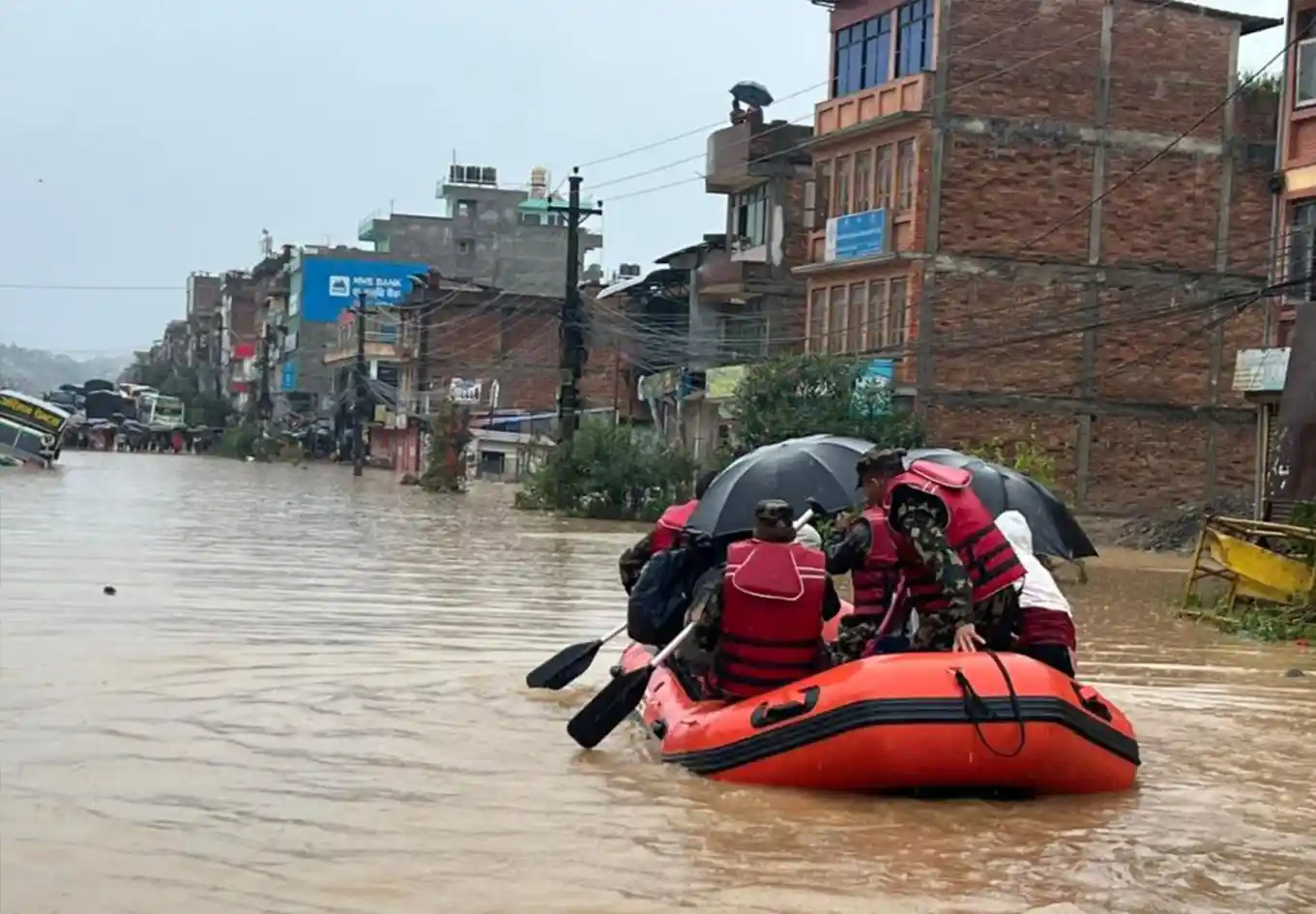
CATASTROPHIC FLOODS HIT NEPAL AS DEATH TOLL SOARS ABOVE 1,000
KATHMANDU, NEPAL Nepal is facing one of its most devastating natural disasters in recent years after catastrophic flooding and landslides swept through parts of the Himalayan nation, leaving more than 1,000 people dead and thousands more missing.
The disaster, linked to a major glacier collapse in the Himalayan region, unleashed enormous volumes of water, mud, rocks and debris into downstream communities, destroying homes, roads, bridges and critical infrastructure.

John Ternus officially took over as Apple's new Chief Executive Officer
CUPERTINO, CALIFORNIA Apple announced that Tim Cook will become executive chairman of Apple’s board of directors and John Ternus, senior vice president of Hardware Engineering, will become Apple’s next chief executive officer effective on September 1, 2026. The transition, which was approved unanimously by the Board of Directors, follows a thoughtful, long-term succession planning process.

NOVAK DJOKOVIC SUFFERS SHOCK US OPEN EXIT AFTER GRUELLING FIVE-SET
NEW YORK, UNITED STATES Novak Djokovic's pursuit of a record-extending 25th Grand Slam title suffered a stunning setback after the Serbian superstar was eliminated in the first round of the 2026 US Open.
Djokovic, a four-time US Open champion, was defeated by Argentina's Mariano Navone in a dramatic five-set battle that lasted four hours and 36 minutes.
Navone recovered from losing the second and third sets to defeat the 39-year-old Djokovic 7–6(5), 5–7, 4–6, 6–2, 6–1.
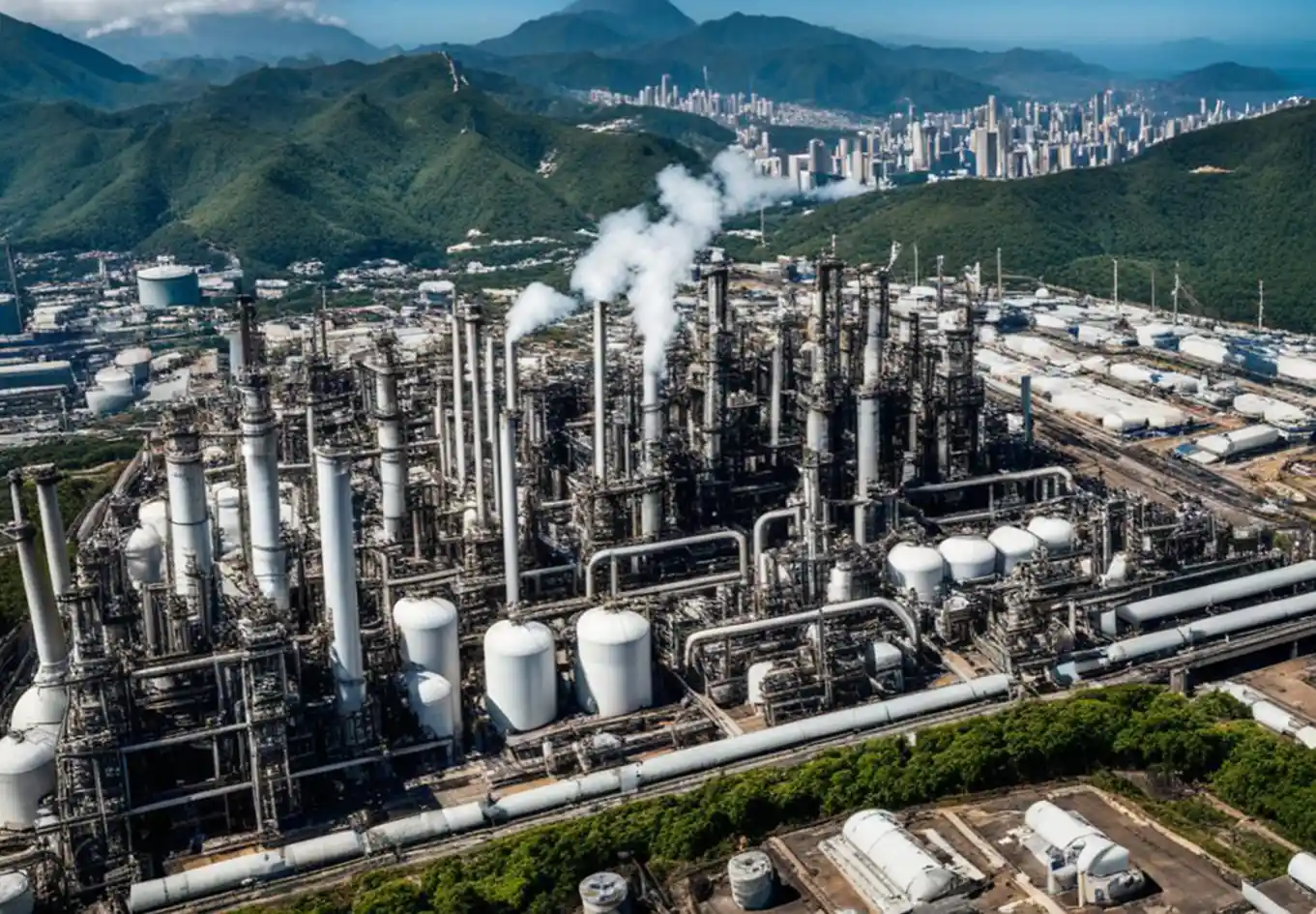
U.S.–VENEZUELA OIL DEAL: WASHINGTON SECURES CONTROL OF 65 BILLION
WASHINGTON CARACAS The United States and Venezuela have reached a landmark oil agreement that could dramatically reshape the global energy landscape, with Washington securing significant control and access to more than 65 billion barrels of Venezuela's proven oil reserves. The agreement, announced by U.S. President Donald Trump and detailed by the White House this week, is being described by the administration as a major step toward strengthening American energy security while helping rebuild Venezuela's heavily damaged oil industry.
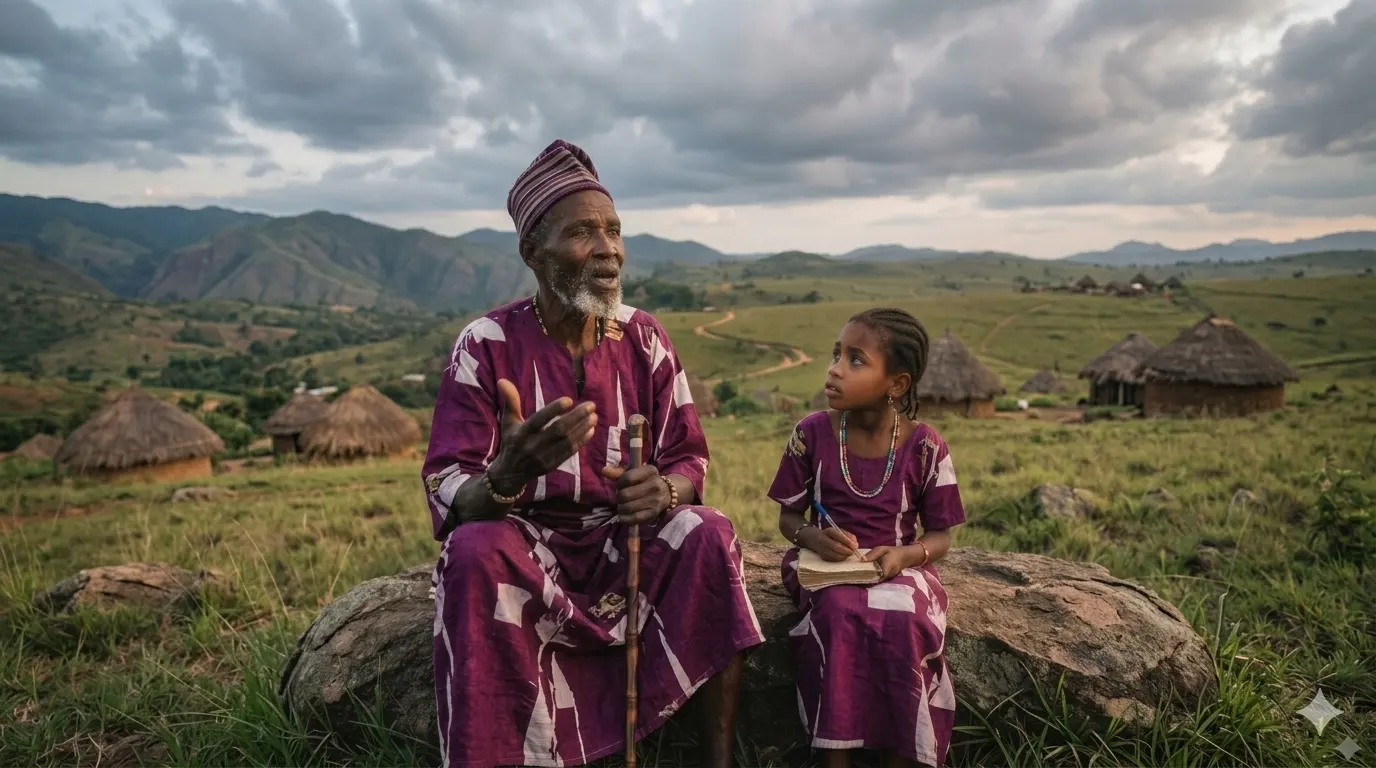
THE MAMBILLA IDENTITY: WHO WILL SPEAK OUR LANGUAGE FOR US?
I recently walked through Gembu town, and I could not help but notice how drastically it has changed. Gembu has grown tremendously. The population is increasing, businesses are expanding, and people from different parts of the country now call the town home.