WHY AND HOW DID “SARDAUNA” REPLACE MAMBILLA?
The name Mambilla has been the oldest and longest crosscutting used for the Mambilla Plateau, Kurmi and Gashaka areas over any other.
Why and How “Sardauna” Then?
Originally, “Sardauna’ was used as name of the Northern Cameroons Province that emerged from the United Nations Mandated Territory after independence in 1961. This Province was headquartered at Mubi (“Sardauna North Division”) with a southern Divisional headquarters at Ganye (“Sardauna South”). However, Mubi and Ganye later rejected the traditional title as their name and demanded and restored their old and correct names “Mubi” and “Ganye”.
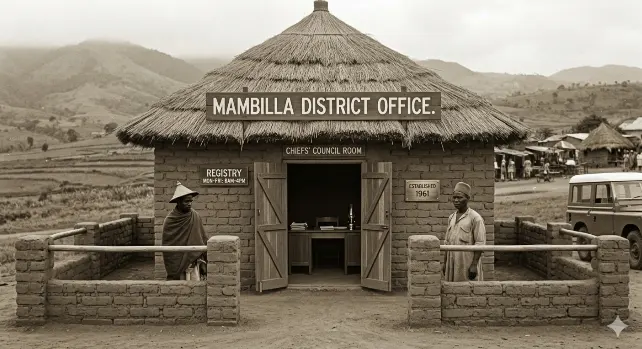
Why and How “Sardauna” Then?
In the 1960s, during the North-Eastern State era under Governor Brigadier Musa Usman, the Fulani in Mambilla and Yola attempted to remove the name “Mambilla” from Mambilla by consulting the governor on this their desire. It was not successful.
In 1976, Col. Muhammadu Jega, a Sokoto Fulani military officer was posted as Military Governor of the then new Gongola State. He was saddened by the rejection of the name in Ganye and Mubi, but found an easy prospective “victim” when the Mohammadu Salori Mansur traditional council in Mambilla and its Fulani elements devised that they would request Jega to remove the name “Mambilla” from Mambilla. Informants reported that Jega was informed that Brigadier Musa Usman failed to erase the name “Mambilla” from Mambilla as requested by the Fulani.
Mohammadu Jega therefore decided that the name of Mambilla Division was replaced with “Sardauna” by the fiat of Jega’s pen. Jega imposed the name “Sardauna” on Mambilla from a scheme of interethnic hate and rivalry.
From 1979 to 1983, in the Second Nigerian Republic, the Fulani lost power in Gongola State. The GNPP Government was sympathetic to the Mambilla people’s plight and questioned why the injustice was perpetrated. The Abubakar Barde civil administration therefore took steps and restored “Mambilla Local Government” as the name of this local government.
Unfortunately, after the Fulani extremist and irredentist Major-General Muhammadu Buhari overthrew the civilian administration of Shehu Shagari in a military coup on 31 December 1983 and ended the Second Republic, Major-General Muhamadu Buhari, the same man of 1976 infamy, was once again appointed governor of Gongola State by Mohammadu Buhari ostensibly to “finish the business”. Upon his return, Jega once again in conjunction with his Fulani allies, quashed the name “Mambilla” from Mambilla and re-imposed the name “Sardauna” as he did in 1977.
It was a product of ethnic hate, essentially an anti-Mambilla act and sentiment, and inordinate aversion and resentment for the Mambilla people. After this wicked act, the Fulani proceeded to call for the change of the name “Mambilla Plateau” to “Hamajoda plateau” whatever that means. They are angered by the name “Mambilla” in Mambilla, which they met on their arrival under British administration.
In their writings, they commonly replace the name “Mambilla” with “Gembu” and evade the use “Mambilla” altogether. There is however no ethnic group know as “Gembu” or the plateau known as “Gembu”. Such, mischievous use of the term “Gembu” is a product of the unwholesome manipulations discussed in this narrative.
Yet, no Mambilla has ever asked for the removal of the names of the Fulani in their areas of origin, or of the place names in Cameroon. Why will those immigrants who met the Mambilla in their homeland with their names in place want to change the name(s) to ones chosen by them? This is a most offensive affront.
Any statement today that the name was imposed to honour Ahmadu Bello, not in Sokoto, not in Kano, not in Yola, Mubi, Gashaka, Kurmi or elsewhere in the entire former UN Mandated Territories, but only in Mambilla is a malevolent mischief designed to obscure the wickedness behind the development.
Still under the Jega’s second coming in 1984/1985, a controversial judge, a certain “Justice James Gwam” of defunct Bendel State provenance, was appointed as Chairman of a Judicial Commission that, as events would later turn out, was implicitly assigned to witchunt the Mambilla people over previous conflicts with the Fulani/Cameroon alliance during the murdered Second Republic.
He was previously negatively reported upon for open bias and opaque dealings in another commission inquiry into another conflict in Mubi area. At the sittings of this Commission, the Fulani and the so-called “Cameroon” solidarity loudly called for the abrogation of the name “Mambilla” in Mambilla.
A prominent Mambilla Statesman then put it to the commission Chairman Gwam, “Honourable Commission Chairman, Your name is ‘Gwam’, but I hate the name “Gwam”. I want to change your name to Emmanuel. Is it ok? Do you agree?” and Justice Gwam was dazed by the analogy as if knocked by dynamite.
He was tongue-tied, jittery in his incoherent answer rejecting the change of his name. We can also recall that before the Justice Nuhu S. Adi Commission of Inquiry in 2017, a descendant of those who called for the removal of the name of Mambilla because they were “enemies” of the Mambilla repeated their call for the cancellation of the name of “Mambilla” from Mambilla, referring to the Gwam Commission proceedings of the 1980s.
Under questions from the lawyers, the individual conceded that the names Bansoland or Kambuland were in Cameroon and could not be changed bay anyone. The witness also conceded that the name “Kona” is used for both a town and the ethnic group and was okay. He was compelled to swallow his words before the Commission.
A certain “Cameroon” writer living at Mutum Biyu was detained in prison for six months (2016-2017) for not only attacking the name Mambilla, calling for its deletion from Mambilla, but for insulting the mambilla Nation as a whole for using the name “Mambilla” in Mambilla.
Why Has the Name “Sardauna” Overstayed Its Welcome?
It can be said that the right question is not about overstaying a welcome that never existed, but “Was it welcome in the first place before it can be said to have overstayed its welcome?” It was not welcome, except by its crafters. In 1999, the military Constitution imposed on Nigeria, CFRN, (allegedly an Abacha-Yadudu document) listed local governments as Schedule III to the Constitution.
While the State legislature is empowered by that Constitution to create or amend the name of any local government area, it will require the full Constitution amendment procedure to replace the name in the Schedule to the Constitution. However, where all the stakeholders are patriotic, well-sensitized and knowledgeable on these issues, ready and willing enough to act, it can be easily effected at the State level without delay.
It is at the national level that without sufficient effort, difficulties ad delays might be expected. A recent example is in Ebonyi, where the House of Assembly easily passed the law amending the name of Afikpo West Local Government Area to Edda and the National Assembly and required number of State Assemblies concurring. It is possible.

GITEX Nigeria 2026 Places Artificial Intelligence at Centre of Digital Future
ABUJA/LAGOS, Nigeria — Artificial intelligence has taken centre stage at GITEX Nigeria 2026, as government officials, te…
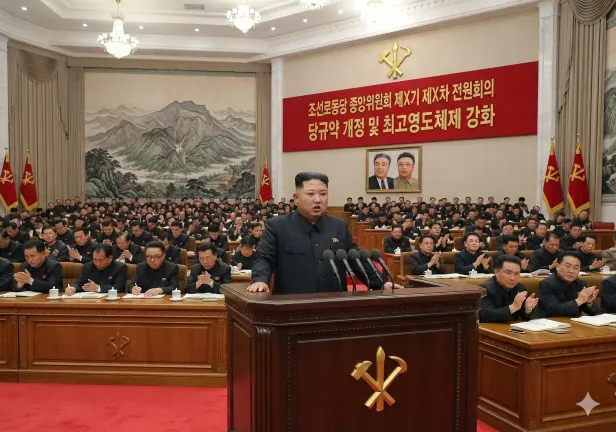
North Korea Strengthens Kim Jong Un’s Control as Ruling Party Rules Are Revised
North Korea has taken another step toward strengthening Kim Jong Un’s grip on power after revisions to the rules governi…
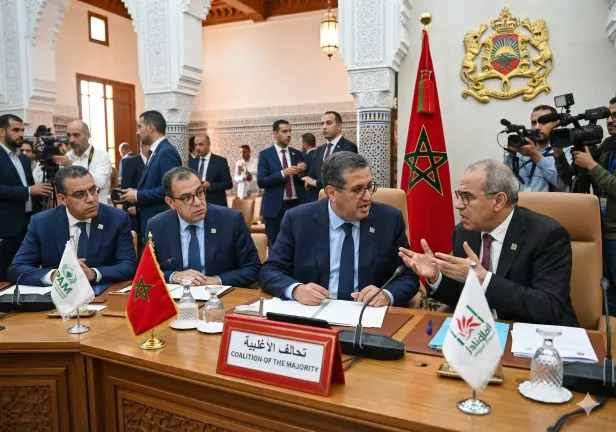
Morocco’s Ruling Allies Face Growing Tensions Ahead of September Election
Political tensions are rising in Morocco as parties within the country's governing coalition increasingly turn against o…
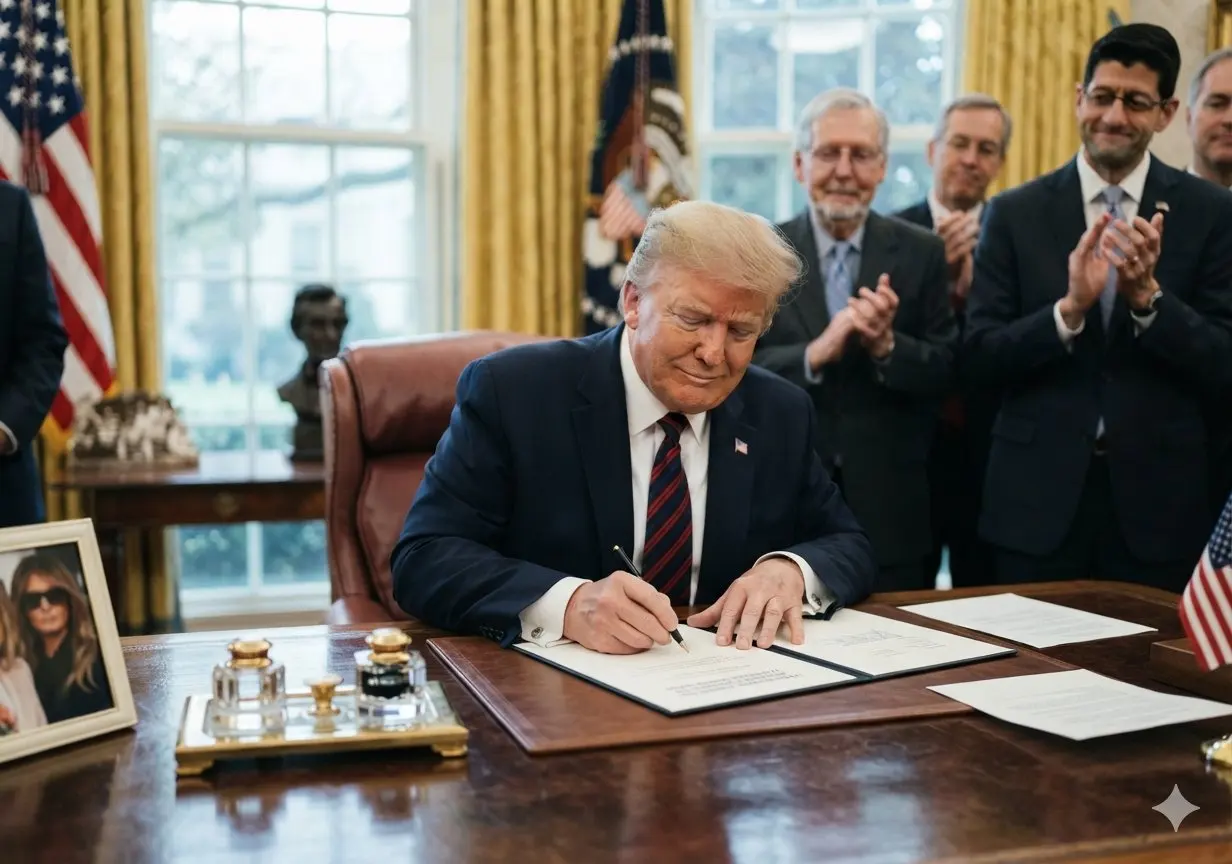
Trump Signs Temporary Funding Bill to Avert US Government Shutdown Ahead of Midterm Elections
US President Donald Trump has signed a temporary government funding bill designed to prevent a federal government shutdo…
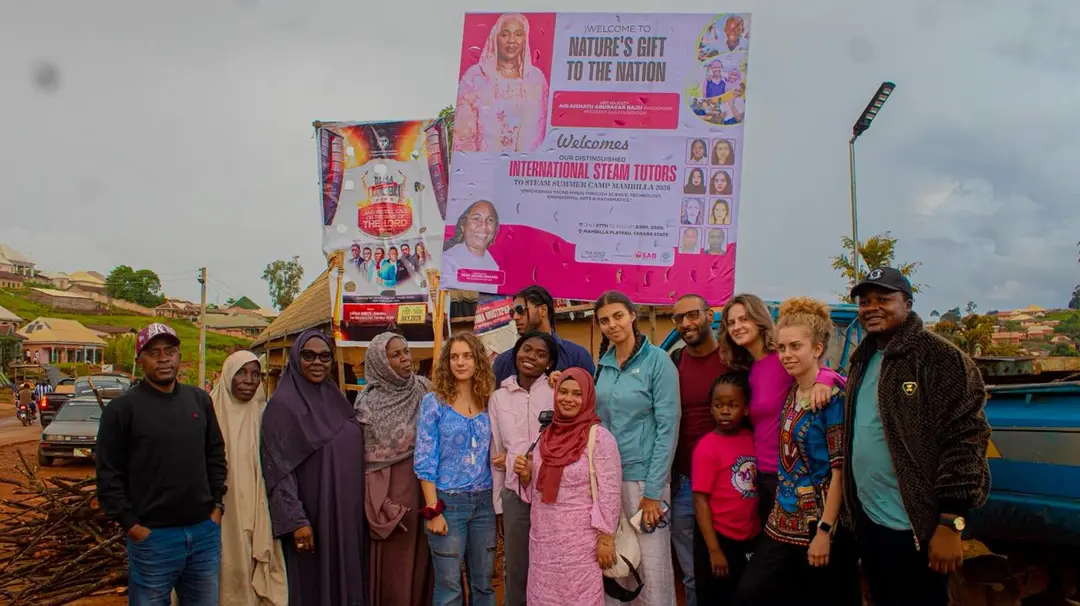
Taraba Launches STEAM Summer Camp for 1,500 Students on Mambilla Plateau
The Taraba State Government has commenced its Science, Technology, Engineering, Arts and Mathematics (STEAM) Summer Camp…