GITEX Nigeria 2026 Places Artificial Intelligence at Centre of Digital Future
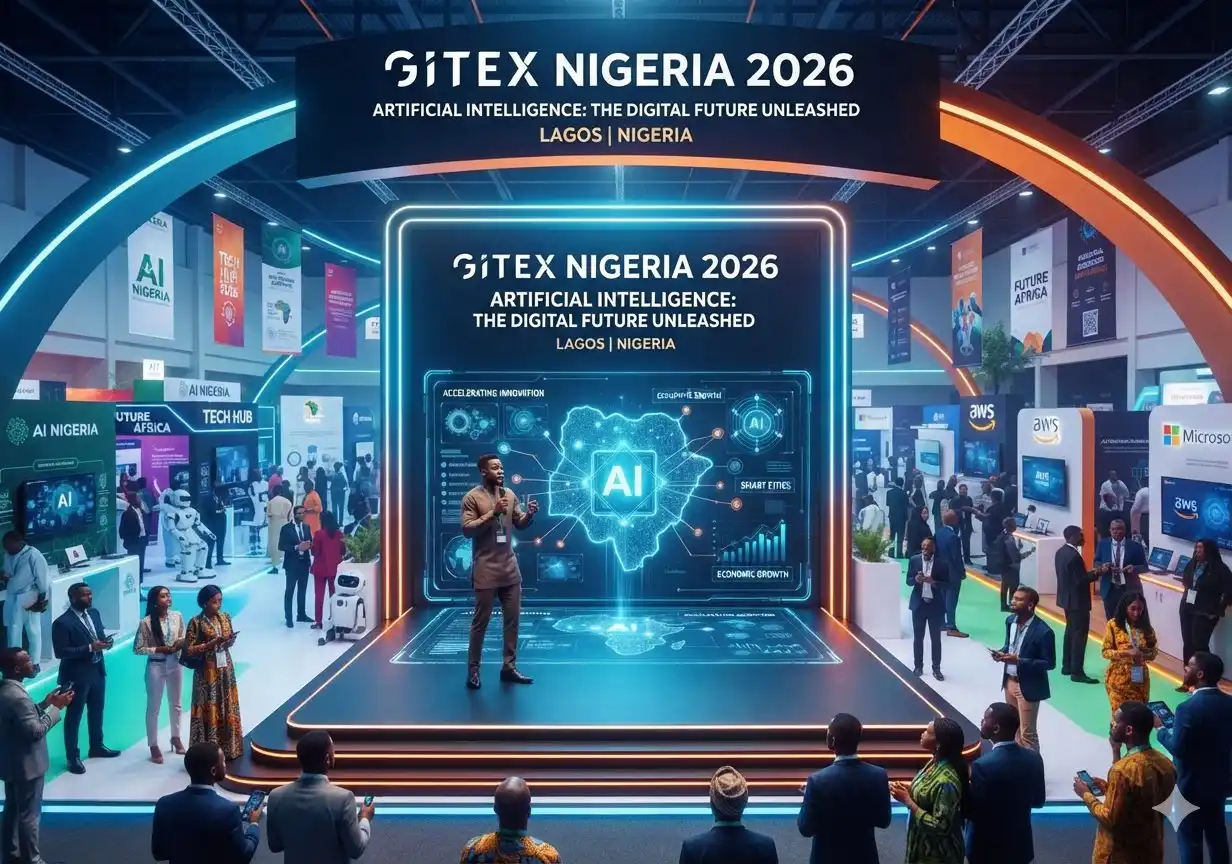
ABUJA/LAGOS, Nigeria — Artificial intelligence has taken centre stage at GITEX Nigeria 2026, as government officials, technology companies, investors, startups and digital innovators gather to shape Nigeria’s ambitions for a technology-driven economy.
The second edition of GITEX Nigeria is being held from August 31 to September 3, 2026, across Abuja and Lagos under the theme “Beyond Connectivity: The Bridge to Sovereign AI & Innovation.”
The event is placing particular emphasis on artificial intelligence, digital infrastructure, cybersecurity, cloud computing, digital identity and innovation as Nigeria seeks to strengthen its position in Africa’s rapidly expanding digital economy.
Nigeria Pushes for AI Sovereignty
One of the strongest messages emerging from the event is the need for Nigeria to develop greater control over the technologies, infrastructure and data that power artificial intelligence.
The Director-General of the National Information Technology Development Agency (NITDA), Kashifu Inuwa Abdullahi, called for Nigeria to prioritize AI sovereignty, arguing that the country needs the capacity to exercise greater digital self-determination across the technology stack.
He stressed that AI development cannot be separated from critical infrastructure such as connectivity, cloud services and data centers. The push for AI sovereignty reflects a growing concern across Africa that the continent should not remain only a consumer of technologies developed elsewhere.
From AI Consumption to AI Creation
At GITEX Nigeria, speakers have repeatedly highlighted the importance of moving beyond simply adopting foreign AI tools to developing technologies capable of addressing African challenges
The official GITEX programme describes the event as a platform for exploring how AI, digital identity, cybersecurity, digital governance, connectivity and public services can transform governments and economies across Nigeria and West Africa.
This approach could have major implications for sectors such as healthcare, education, agriculture, financial technology, transportation and public administration. For Nigeria, developing local AI capacity could also create opportunities for startups, software developers, researchers and young technology professionals.
Startups and Investors Take Centre Stage
GITEX Nigeria 2026 is also bringing together a large community of startups and investors. According to the event organizers, the Lagos programmed features more than 750 startups, alongside investors managing significant global capital, creating opportunities for Nigerian innovators to connect with international markets and funding.
The event is therefore not focused solely on government policy. It is also positioning Nigeria as a potential destination for technology investment and innovation. The participation of global technology companies and investors provides Nigerian startups with opportunities to showcase locally developed solutions and explore partnerships beyond the domestic market.
Lagos Strengthens Its Technology Ambitions.
The Lagos edition of GITEX has further highlighted the state's growing role in Nigeria's technology ecosystem.
Lagos Deputy Governor Kadri Obafemi Hamzat said the state had attracted about $3.9 billion in venture funding over the past five years, while emphasizing the importance of investing in infrastructure, talent, artificial intelligence and innovation.
He also argued that Africa should not approach digital transformation merely as a consumer of technologies created elsewhere, but should develop the capacity to build its own solutions.
Digital Infrastructure Remains Critical
While AI is dominating discussions, participants at GITEX Nigeria have also stressed that artificial intelligence cannot succeed without strong digital foundations. Reliable connectivity, data centres, cloud infrastructure, cybersecurity and effective data governance are essential for the development and deployment of AI systems.
Nigeria's efforts to strengthen cloud and data sovereignty are therefore becoming an important part of its broader AI strategy, particularly as more businesses and public institutions depend on digital platforms and data-driven services.
A Platform for Nigeria's Digital Future
The event has attracted government agencies, technology companies, banks, investors, startups and regulators. Organisers describe GITEX Nigeria as a major platform connecting the country's digital ecosystem with global technology players.
The Abuja programme included a Government Leadership and AI Summit, while the Lagos programme features a technology expo and startup festival focused on emerging technologies, investment and innovation.
As Nigeria looks toward a more technology-driven future, GITEX Nigeria 2026 is highlighting artificial intelligence not simply as a new technological tool, but as a potential driver of economic growth, public-sector transformation and global competitiveness.
The challenge now will be turning the ideas and partnerships generated at the event into practical solutions, stronger infrastructure, skilled talent and locally developed technologies that can benefit Nigerians and the wider African market.

North Korea Strengthens Kim Jong Un’s Control as Ruling Party Rules Are Revised
North Korea has taken another step toward strengthening Kim Jong Un’s grip on power after revisions to the rules governi…

Morocco’s Ruling Allies Face Growing Tensions Ahead of September Election
Political tensions are rising in Morocco as parties within the country's governing coalition increasingly turn against o…

Trump Signs Temporary Funding Bill to Avert US Government Shutdown Ahead of Midterm Elections
US President Donald Trump has signed a temporary government funding bill designed to prevent a federal government shutdo…

Taraba Launches STEAM Summer Camp for 1,500 Students on Mambilla Plateau
The Taraba State Government has commenced its Science, Technology, Engineering, Arts and Mathematics (STEAM) Summer Camp…