Morocco’s Ruling Allies Face Growing Tensions Ahead of September Election
Political tensions are rising in Morocco as parties within the country's governing coalition increasingly turn against one another ahead of the September 23, 2026 parliamentary election.
Morocco is preparing for a closely watched election that could reshape the country's political landscape, with parties expected to compete for influence in parliament and position themselves ahead of the next phase of government.
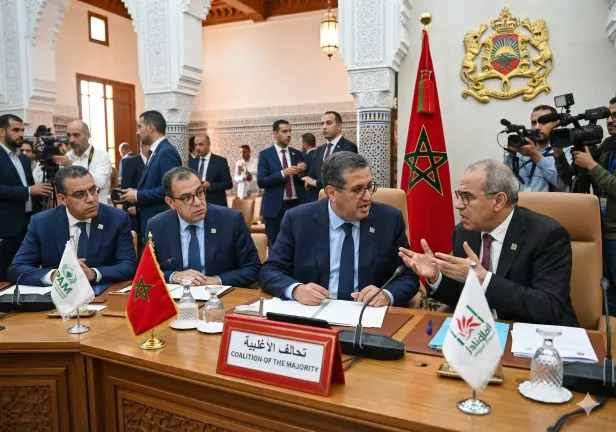
The official election campaign is scheduled to begin on September 10, but political competition has already intensified. Recent disagreements among parties that have worked together in government have exposed growing divisions over political strategy and the country's direction.
The tensions come at an important moment for Morocco, which has maintained relative political stability compared with several other countries across North Africa.
The upcoming election will provide voters with an opportunity to assess the performance of the current political leadership while determining the balance of power in parliament.
According to current reports, disagreements between governing allies are becoming increasingly visible as political parties prepare to enter the campaign period. The divisions could make coalition negotiations more complicated after the election, particularly if no single political force secures enough support to govern alone.
When military tensions rise around the strait, shipping companies and traders become concerned about whether tankers can move safely. Even before a physical shortage occurs, the possibility of disruption can push prices higher because markets begin pricing in additional risk.
The election is also expected to focus on issues affecting ordinary Moroccans, including employment, economic growth, public services and the cost of living.
Morocco's political parties are therefore facing pressure to present clear programmes capable of addressing both economic concerns and demands for improved governance.
The country's political system relies heavily on coalition-building, meaning that the outcome of the parliamentary vote may not simply be determined by which party wins the largest number of seats. The ability of parties to form alliances after the election could prove equally important.
With the official campaign just days away, attention is now turning to how the competing parties will present themselves to voters and whether the divisions among current governing allies will influence the final result.
The September 23 election is consequently shaping up to be an important political test for Morocco and could determine the country's governing alliances for the next parliamentary period.
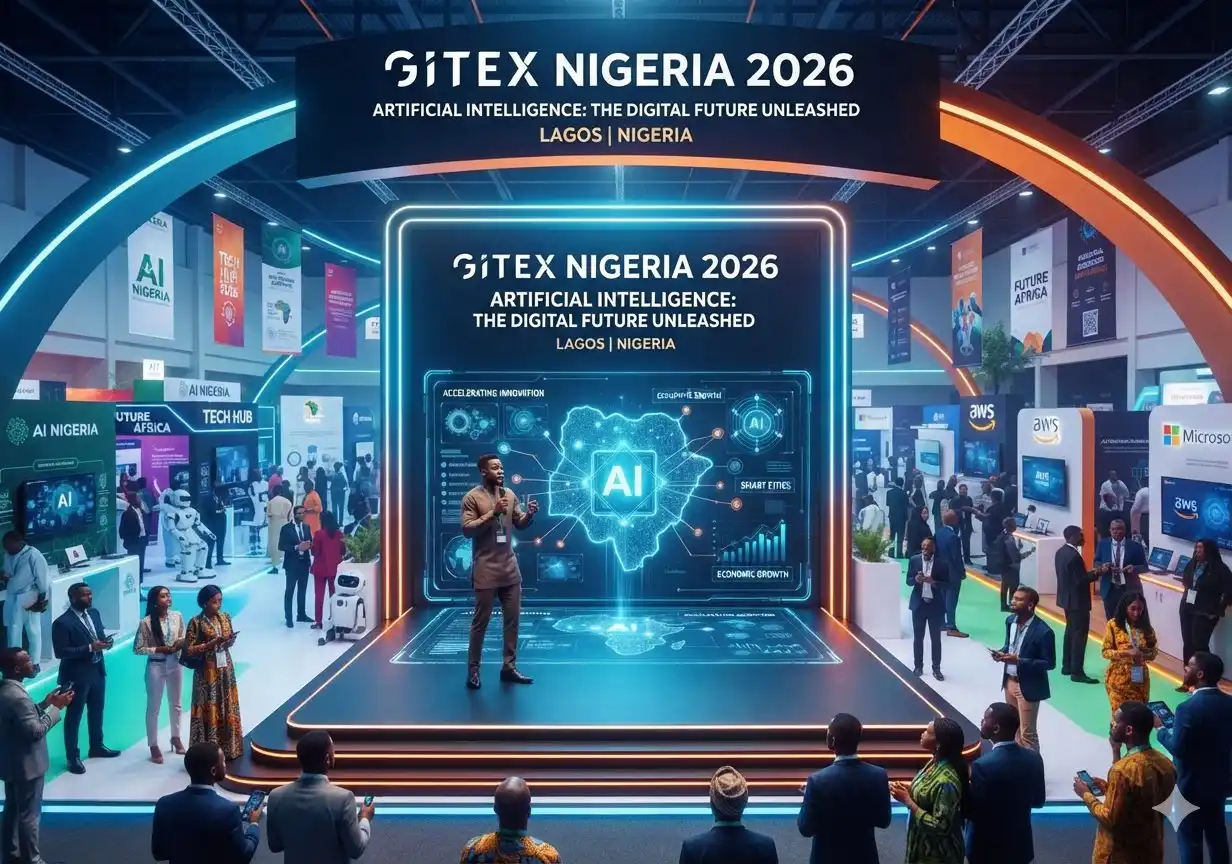
GITEX Nigeria 2026 Places Artificial Intelligence at Centre of Digital Future
ABUJA/LAGOS, Nigeria — Artificial intelligence has taken centre stage at GITEX Nigeria 2026, as government officials, technology companies, investors, startups and digital innovators gather to shape Nigeria’s ambitions for a technology-driven economy.
The second edition of GITEX Nigeria is being held from August 31 to September 3, 2026, across Abuja and Lagos under the theme “Beyond Connectivity: The Bridge to Sovereign AI & Innovation.”
The event is placing particular emphasis on artificial intelligence, digital infrastructure, cybersecurity, cloud computing, digital identity and innovation as Nigeria seeks to strengthen its position in Africa’s rapidly expanding digital economy.
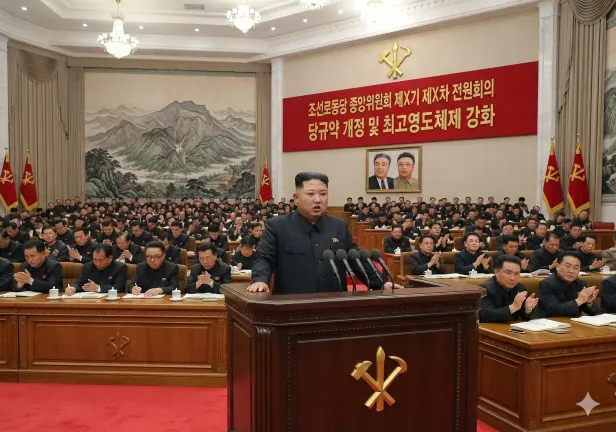
North Korea Strengthens Kim Jong Un’s Control as Ruling Party Rules Are Revised
North Korea has taken another step toward strengthening Kim Jong Un’s grip on power after revisions to the rules governing the country's ruling Workers' Party laid the groundwork for greater centralised control.
The changes were reported by Reuters on Thursday, citing an analysis of the revised party rules released following a major meeting of the Workers' Party earlier this year.
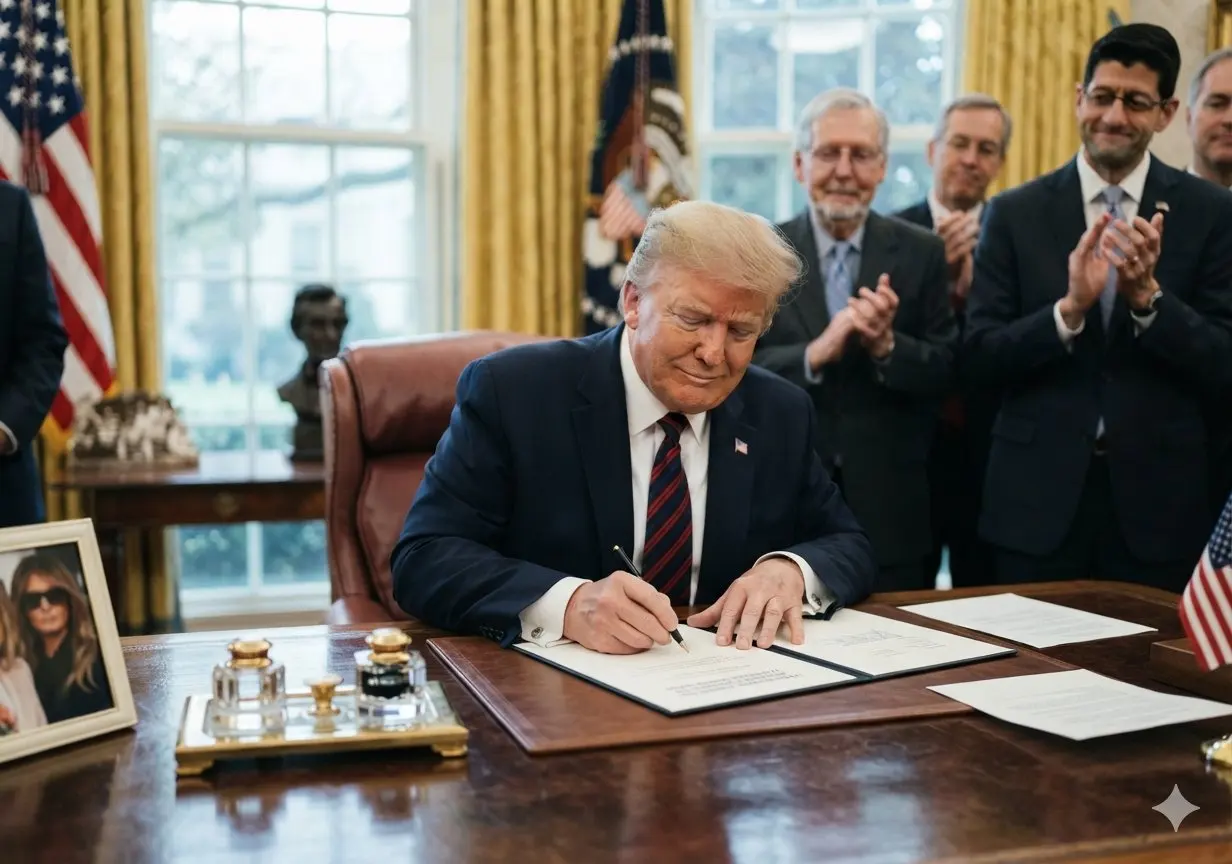
Trump Signs Temporary Funding Bill to Avert US Government Shutdown Ahead of Midterm Elections
US President Donald Trump has signed a temporary government funding bill designed to prevent a federal government shutdown, ending a potentially damaging political confrontation in Washington ahead of the November midterm elections.
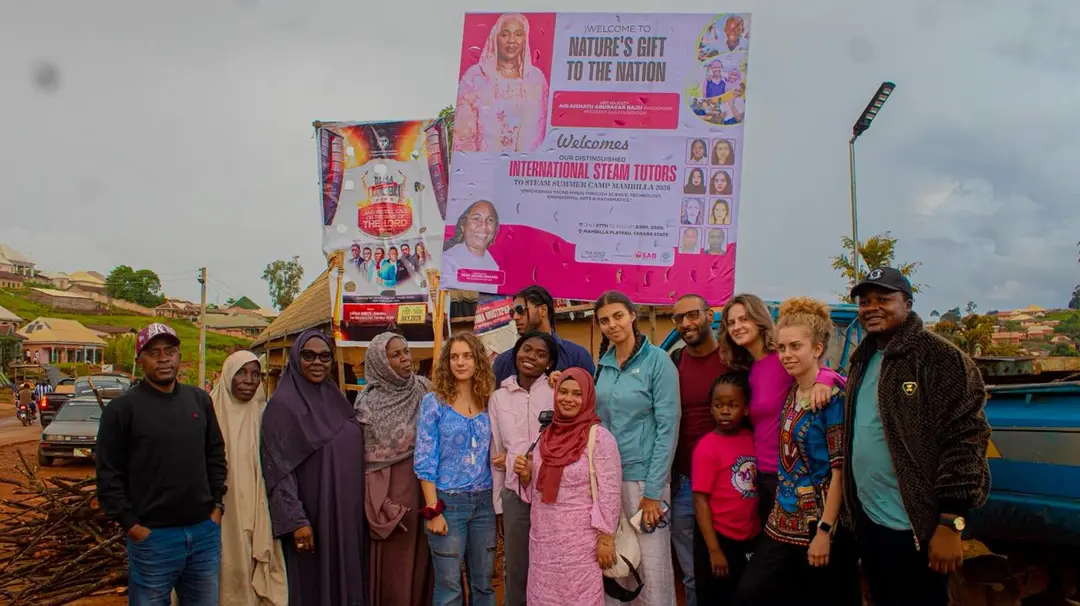
Taraba Launches STEAM Summer Camp for 1,500 Students on Mambilla Plateau
The Taraba State Government has commenced its Science, Technology, Engineering, Arts and Mathematics (STEAM) Summer Camp on the Mambilla Plateau in Gembu, Sardauna Local Government Area.
The initiative reflects the government's efforts to equip young people with the knowledge, skills and creativity needed to participate in a rapidly changing technology driven world.