Uber Exits Nigeria After 12 Years of Ride-Hailing Operations
Global ride-hailing company Uber has officially ended its operations in Nigeria after 12 years, bringing to a close its presence in one of Africa’s largest and most competitive transportation markets.
Uber’s services in Nigeria were discontinued on Wednesday, September 2, 2026, following what the company described as a thorough review of its business priorities and investment focus across Africa.

The company first launched in Nigeria in Lagos in 2014, before expanding to other major cities, including Abuja. Its arrival helped accelerate the adoption of app-based transportation, giving millions of Nigerians an alternative to traditional taxi services.
Why Is Uber Leaving Nigeria?
Uber has not attributed its departure to a single specific problem. In its statement, the company said the decision followed a review of its “evolving business priorities and investment focus” across the continent. The company also stressed that the decision is limited to Nigeria and Uganda and does not mean it is withdrawing from its other African markets.
Uber said it remains committed to Sub-Saharan Africa and continues to see long-term opportunities in the region.
The Nigerian ride-hailing industry has faced increasing operational pressures, including rising fuel and vehicle-maintenance costs, inflation, currency volatility and intense competition. These pressures have made it increasingly difficult for platforms to balance affordable fares for passengers with sustainable earnings for drivers.
What Happens to Uber Users and Drivers?
With Uber no longer accepting rides in Nigeria, passengers who previously relied on the platform will have to turn to other ride-hailing services. The exit could create new opportunities for competitors such as Bolt, inDrive and local operators, which may seek to attract Uber's former riders and drivers.
Uber has also said its Help Centre will remain available until September 23, 2026, allowing customers to resolve outstanding account-related issues following the shutdown.
A Major Change for Nigeria's Ride-Hailing Industry
Uber's departure represents a significant moment for Nigeria's e-hailing industry. The company was one of the major platforms responsible for popularizing app-based transportation in the country.
Its exit comes as the sector faces questions about profitability, regulation, driver welfare and affordability. While demand for ride-hailing services remains, operators must contend with the high cost of running vehicles and the financial pressure on passengers.
Industry observers therefore expect existing platforms to compete more aggressively for the riders and drivers left behind by Uber.
Exit Comes Amid Wider Changes at Uber
Uber's Nigerian exit comes at a time when the company is also undergoing significant organizational changes globally. The company has announced plans to cut approximately 3,300 corporate jobs, representing about 10 per cent of its workforce, as it seeks to simplify its organizational structure and redirect resources towards strategic growth areas, including autonomous transportation. However, Uber has not said that the global restructuring was the direct reason for its decision to leave Nigeria.
End of an Era
After 12 years, Uber's departure marks the end of an important chapter in Nigeria's evolving transportation industry. The company helped change how many Nigerians moved around cities, introducing a model where passengers could request rides, track drivers and make payments through a mobile application.
Although Uber is leaving, Nigeria's ride-hailing market is far from disappearing. Instead, the industry is entering a new phase in which existing and emerging platforms will compete for the customers, drivers and market share left behind.
For millions of Nigerians who used Uber over the years, however, September 2, 2026, marks the end of an era in the country's journey toward digitally connected urban transportation.

GITEX Nigeria 2026 Places Artificial Intelligence at Centre of Digital Future
ABUJA/LAGOS, Nigeria — Artificial intelligence has taken centre stage at GITEX Nigeria 2026, as government officials, te…
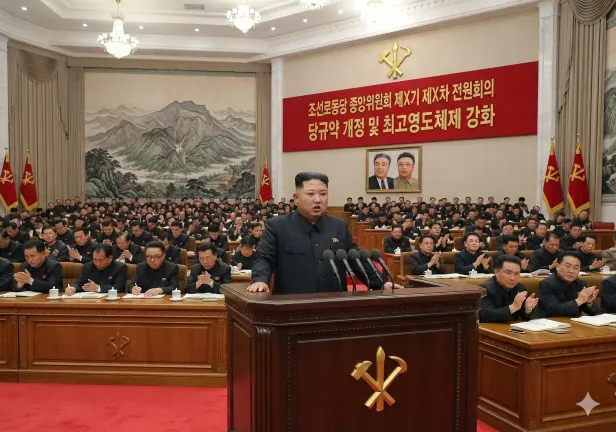
North Korea Strengthens Kim Jong Un’s Control as Ruling Party Rules Are Revised
North Korea has taken another step toward strengthening Kim Jong Un’s grip on power after revisions to the rules governi…

Morocco’s Ruling Allies Face Growing Tensions Ahead of September Election
Political tensions are rising in Morocco as parties within the country's governing coalition increasingly turn against o…

Trump Signs Temporary Funding Bill to Avert US Government Shutdown Ahead of Midterm Elections
US President Donald Trump has signed a temporary government funding bill designed to prevent a federal government shutdo…

Taraba Launches STEAM Summer Camp for 1,500 Students on Mambilla Plateau
The Taraba State Government has commenced its Science, Technology, Engineering, Arts and Mathematics (STEAM) Summer Camp…