African Economies Face Fresh Investment and Debt Pressures
African economies are navigating a difficult combination of external shocks, debt pressures and the need for increased investment.
Recent developments across the continent show contrasting economic conditions. While some countries are attracting new investment, others are struggling with debt and weaker economic activity.

South Africa, the continent's largest economy, recently recorded an economic contraction, while Senegal is dealing with significant public-finance challenges.
At the same time, Nigeria continues to record economic growth and remains an important destination for investors because of its large consumer market and natural resources.
Business analysts say Africa's ability to attract long-term investment will depend heavily on economic stability, infrastructure, energy supply and predictable government policies.
The continent also has opportunities in sectors including agriculture, mining, technology, renewable energy, manufacturing and tourism.
For countries such as Nigeria, improving the business environment could help convert natural resources and a large young population into sustainable economic growth.
Recent African business coverage highlights this mixture of economic pressure and investment opportunities across the continent.

GITEX Nigeria 2026 Places Artificial Intelligence at Centre of Digital Future
ABUJA/LAGOS, Nigeria — Artificial intelligence has taken centre stage at GITEX Nigeria 2026, as government officials, te…
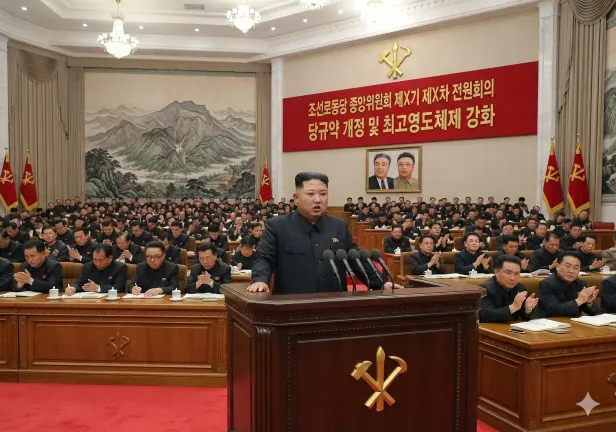
North Korea Strengthens Kim Jong Un’s Control as Ruling Party Rules Are Revised
North Korea has taken another step toward strengthening Kim Jong Un’s grip on power after revisions to the rules governi…
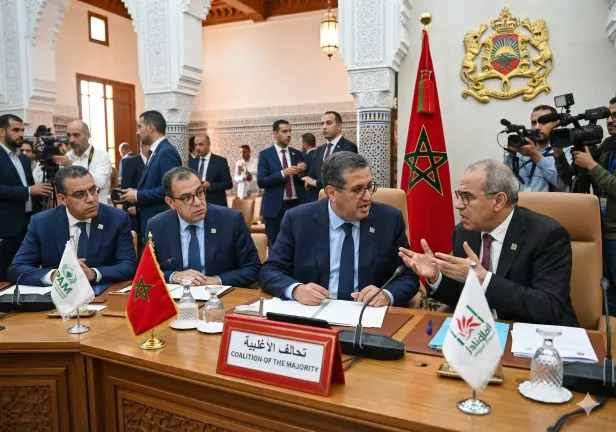
Morocco’s Ruling Allies Face Growing Tensions Ahead of September Election
Political tensions are rising in Morocco as parties within the country's governing coalition increasingly turn against o…

Trump Signs Temporary Funding Bill to Avert US Government Shutdown Ahead of Midterm Elections
US President Donald Trump has signed a temporary government funding bill designed to prevent a federal government shutdo…
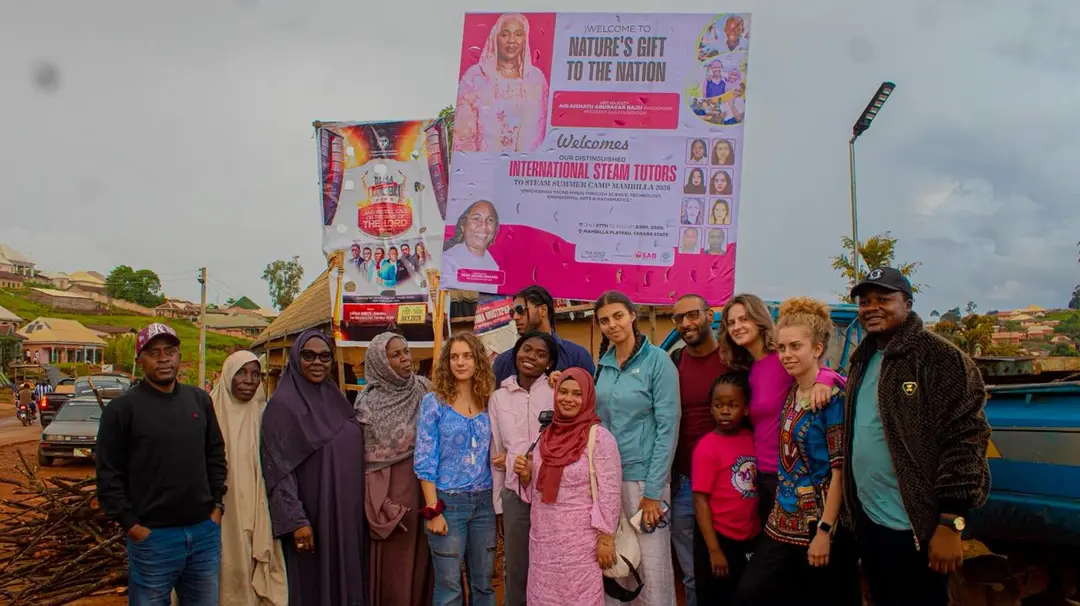
Taraba Launches STEAM Summer Camp for 1,500 Students on Mambilla Plateau
The Taraba State Government has commenced its Science, Technology, Engineering, Arts and Mathematics (STEAM) Summer Camp…