Oil Prices Approach $100 as Middle East Tensions Shake Global Markets
Global oil prices are approaching $100 per barrel, creating fresh concerns for businesses and consumers as escalating tensions in the Middle East increase fears of disruption to energy supplies.

Brent crude has moved sharply higher as investors assess the possibility that continued conflict could affect major oil-producing and transportation routes.
Higher oil prices can benefit oil-producing countries such as Nigeria by increasing potential export earnings. However, expensive crude can also create challenges by increasing transportation, manufacturing and energy costs.
For Nigerian businesses that depend on diesel and petrol for transportation or electricity generation, prolonged increases in energy prices could translate into higher operating expenses.
The situation is also being closely watched by central banks because higher energy costs can contribute to inflation.
Investors around the world are therefore balancing the potential benefits to energy companies against the broader economic risks associated with expensive oil.
For Nigeria, the development highlights both the country's position as an oil producer and its continuing exposure to international energy-market volatility.

GITEX Nigeria 2026 Places Artificial Intelligence at Centre of Digital Future
ABUJA/LAGOS, Nigeria — Artificial intelligence has taken centre stage at GITEX Nigeria 2026, as government officials, te…
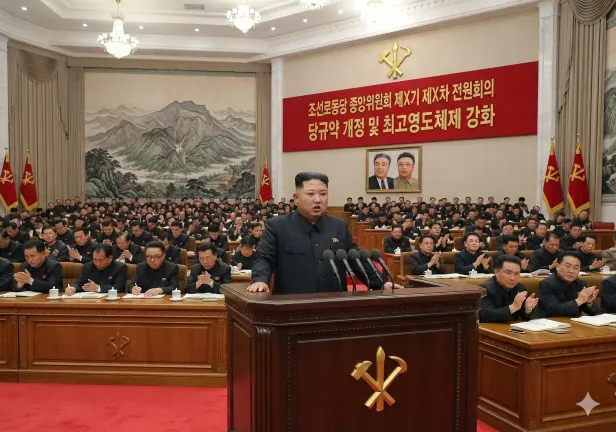
North Korea Strengthens Kim Jong Un’s Control as Ruling Party Rules Are Revised
North Korea has taken another step toward strengthening Kim Jong Un’s grip on power after revisions to the rules governi…
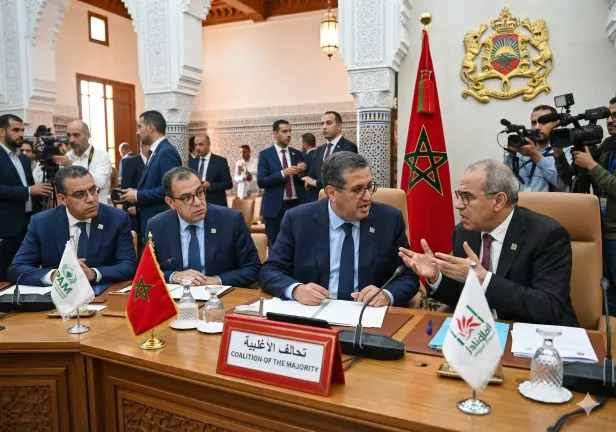
Morocco’s Ruling Allies Face Growing Tensions Ahead of September Election
Political tensions are rising in Morocco as parties within the country's governing coalition increasingly turn against o…
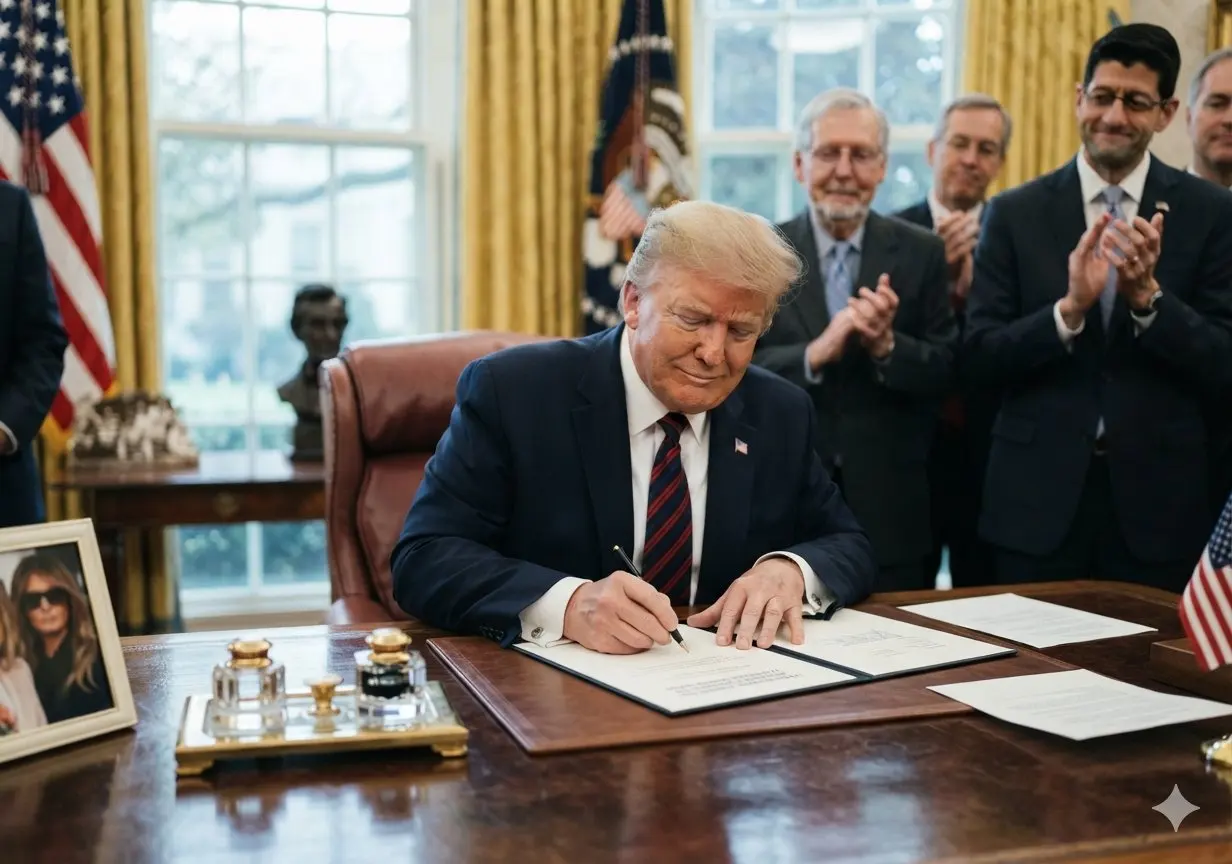
Trump Signs Temporary Funding Bill to Avert US Government Shutdown Ahead of Midterm Elections
US President Donald Trump has signed a temporary government funding bill designed to prevent a federal government shutdo…
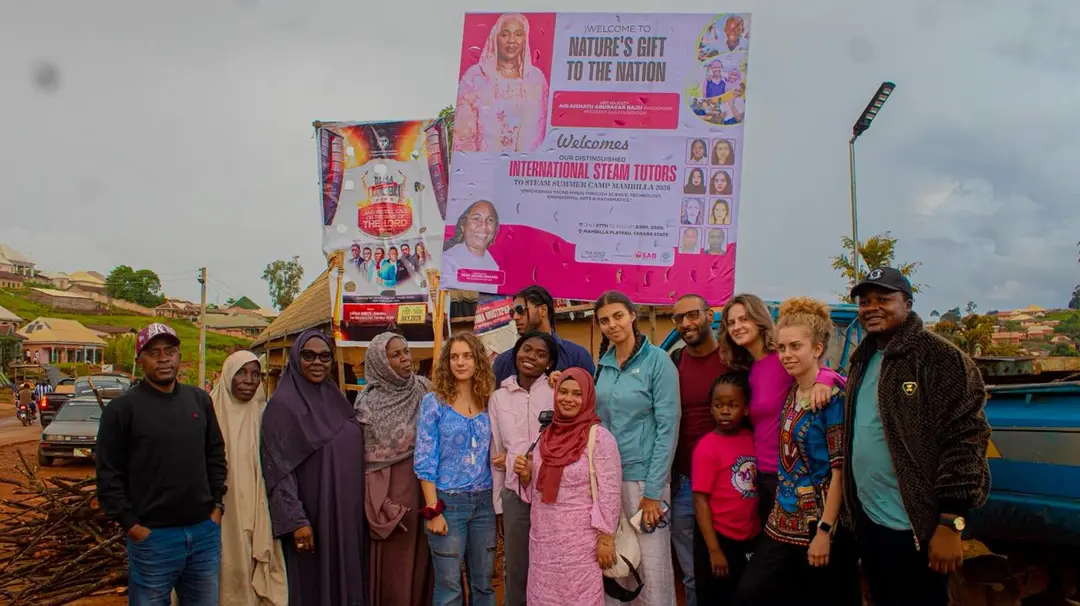
Taraba Launches STEAM Summer Camp for 1,500 Students on Mambilla Plateau
The Taraba State Government has commenced its Science, Technology, Engineering, Arts and Mathematics (STEAM) Summer Camp…