Senegal and IMF Reach $2.2 Billion Financing Agreement to Support Economic Reforms
DAKAR, Senegal — Senegal and the International Monetary Fund (IMF) have reached a staff-level agreement on a new financing programme worth approximately $2.2 billion, marking a major step in the West African country's efforts to restore debt sustainability and strengthen its public finances.
The proposed 36-month Extended Credit Facility (ECF) arrangement is designed to support Senegal's economic and financial reform programme for 2026–2029. However, the agreement is not yet final, as it remains subject to approval by IMF management and the Fund's Executive Board
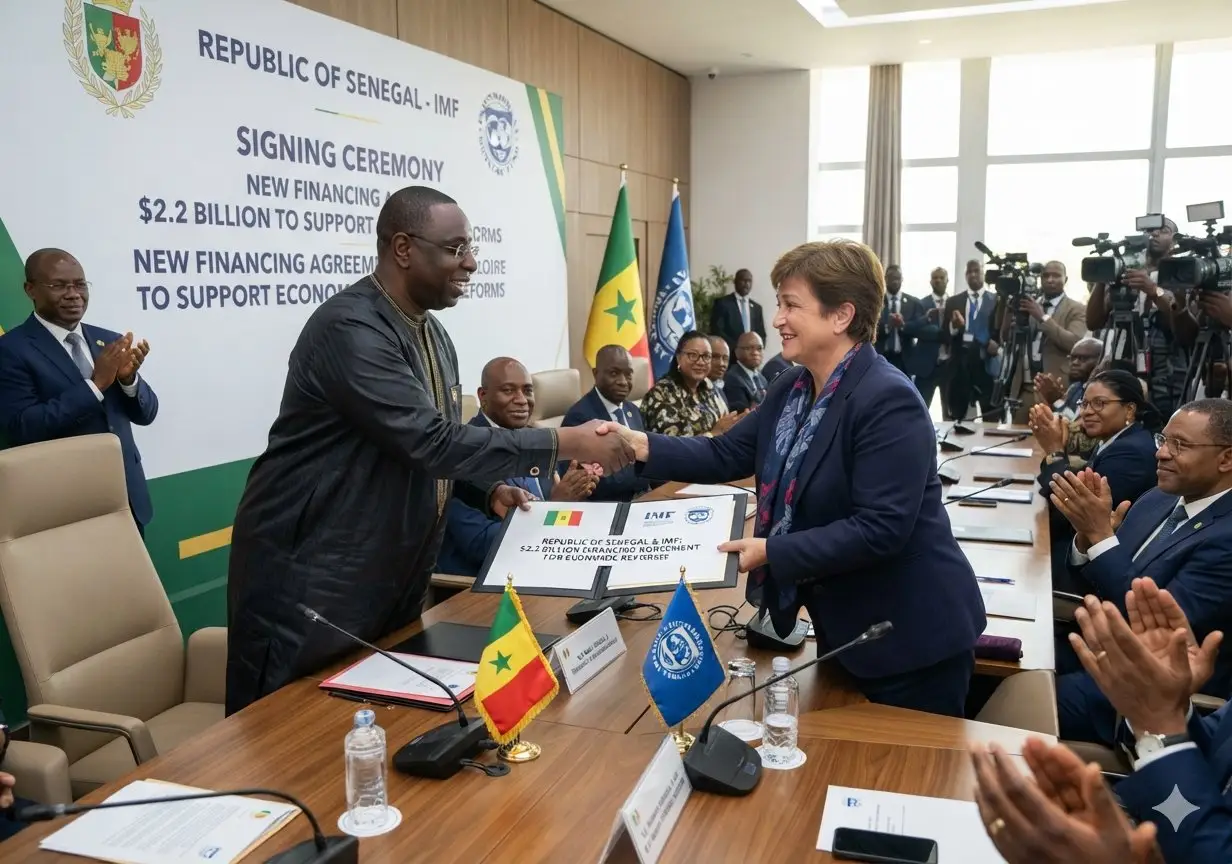
Why Senegal Needs the New IMF Programme
The agreement comes after Senegal's current government uncovered billions of dollars in previously undisclosed borrowing by the previous administration. The IMF estimates that more than $11 billion in debt was misreported, while some analysts have placed the figure closer to $13 billion.
The revelations pushed Senegal's debt burden to around 132% of GDP by the end of 2024, significantly increasing pressure on the government's finances. The discovery led the IMF to suspend an earlier $1.8 billion financing programme, forcing Senegal to rely more heavily on regional financial markets while negotiations over a replacement programme continued
Focus on Debt Sustainability
Under the new programme, Senegal is expected to implement measures aimed at strengthening public finances and improving fiscal transparency. According to the IMF, the reform programme will focus on improving public debt management, strengthening monitoring of domestic arrears, improving oversight of state-owned enterprises and increasing domestic revenue mobilisation.
The government also plans to strengthen social protection programmes and protect vulnerable households while implementing fiscal reforms.
Senegal Plans Debt Treatment
A key part of Senegal's strategy is addressing its growing debt burden.
The government has indicated that it intends to seek debt treatment under an enhanced version of the G20 Common Framework, a mechanism designed to help countries facing unsustainable debt levels work with official and private creditors.
The move is intended to help restore debt sustainability and create greater room for government spending on development and social programmes
IMF Support Could Unlock More Funding
The new IMF programme could also help Senegal attract additional financing from international development institutions. The IMF said its programme is expected to help catalyse financing from organisations including the World Bank and African Development Bank, alongside other development partners.
This could provide Senegal with additional financial support as the government works to stabilise its economy and rebuild investor confidence
Senegal's Economy Shows Resilience
Despite the country's financial difficulties, the IMF said Senegal's economy grew by 6.7% in 2025, helped by oil production entering its first full year. However, growth outside the hydrocarbons sector was weaker, expanding by 2.2%. In the first quarter of 2026, non-hydrocarbon growth improved to 4.7% year-on-year, supported by strong private consumption.
The IMF said inflation remained relatively contained at 1.4% in 2025, although Senegal continues to face significant fiscal and debt-related challenges.
Agreement Still Faces Conditions
Before the programme can receive final approval, Senegal must take what the IMF described as “decisive corrective actions” related to the previous misreporting of financial data.
The country must also secure the necessary financing assurances from its international partners.
The IMF says these measures are important to strengthen safeguards and prevent similar problems from occurring in the future.
What the Deal Means for Senegal
The $2.2 billion agreement represents an important opportunity for President Bassirou Diomaye Faye's government to stabilise the country's finances, restore confidence among investors and create a framework for longer-term economic reforms.
However, implementation could prove challenging. Senegal's government will need to balance spending cuts and increased revenue collection with its commitment to protecting vulnerable households and maintaining essential public services.
If approved and successfully implemented, the programme could provide Senegal with a stronger financial foundation and help the country move beyond the debt crisis that has dominated its economic agenda over the past two years.

GITEX Nigeria 2026 Places Artificial Intelligence at Centre of Digital Future
ABUJA/LAGOS, Nigeria — Artificial intelligence has taken centre stage at GITEX Nigeria 2026, as government officials, te…
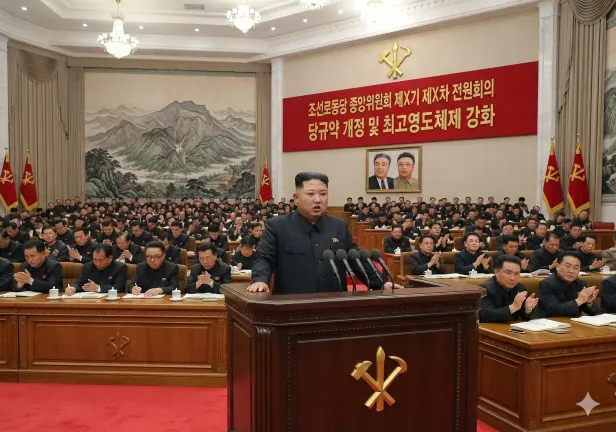
North Korea Strengthens Kim Jong Un’s Control as Ruling Party Rules Are Revised
North Korea has taken another step toward strengthening Kim Jong Un’s grip on power after revisions to the rules governi…
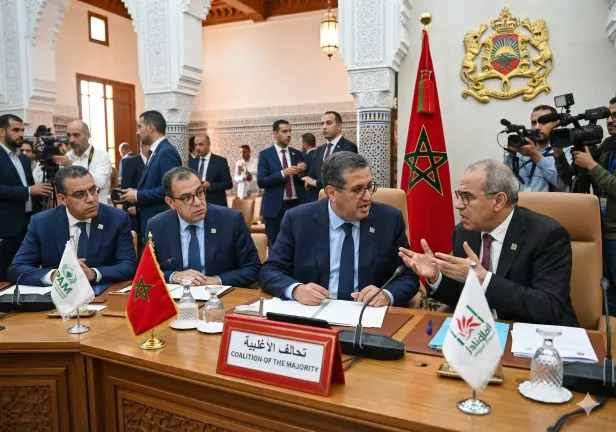
Morocco’s Ruling Allies Face Growing Tensions Ahead of September Election
Political tensions are rising in Morocco as parties within the country's governing coalition increasingly turn against o…
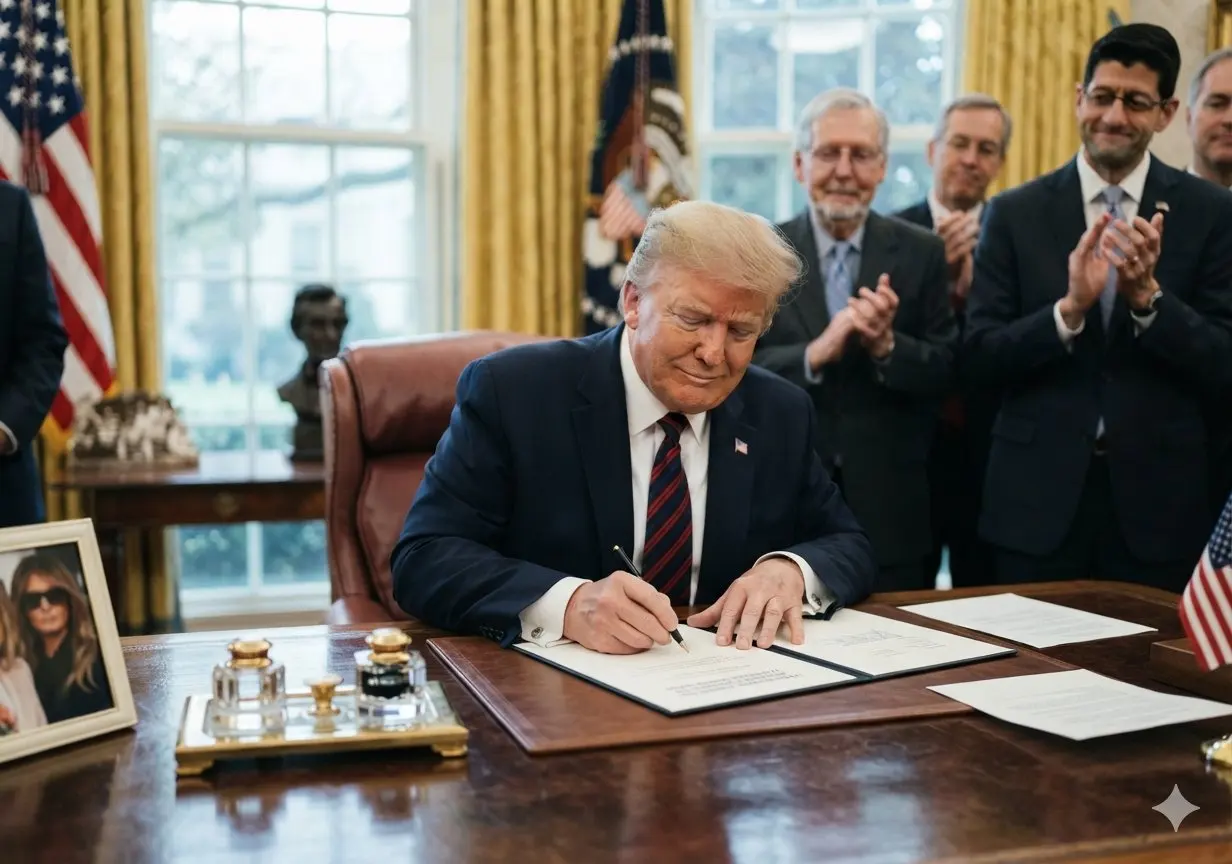
Trump Signs Temporary Funding Bill to Avert US Government Shutdown Ahead of Midterm Elections
US President Donald Trump has signed a temporary government funding bill designed to prevent a federal government shutdo…

Taraba Launches STEAM Summer Camp for 1,500 Students on Mambilla Plateau
The Taraba State Government has commenced its Science, Technology, Engineering, Arts and Mathematics (STEAM) Summer Camp…