THE MAMBILLA IDENTITY: WHO WILL SPEAK OUR LANGUAGE FOR US?
I recently walked through Gembu town, and I could not help but notice how drastically it has changed. Gembu has grown tremendously. The population is increasing, businesses are expanding, and people from different parts of the country now call the town home.
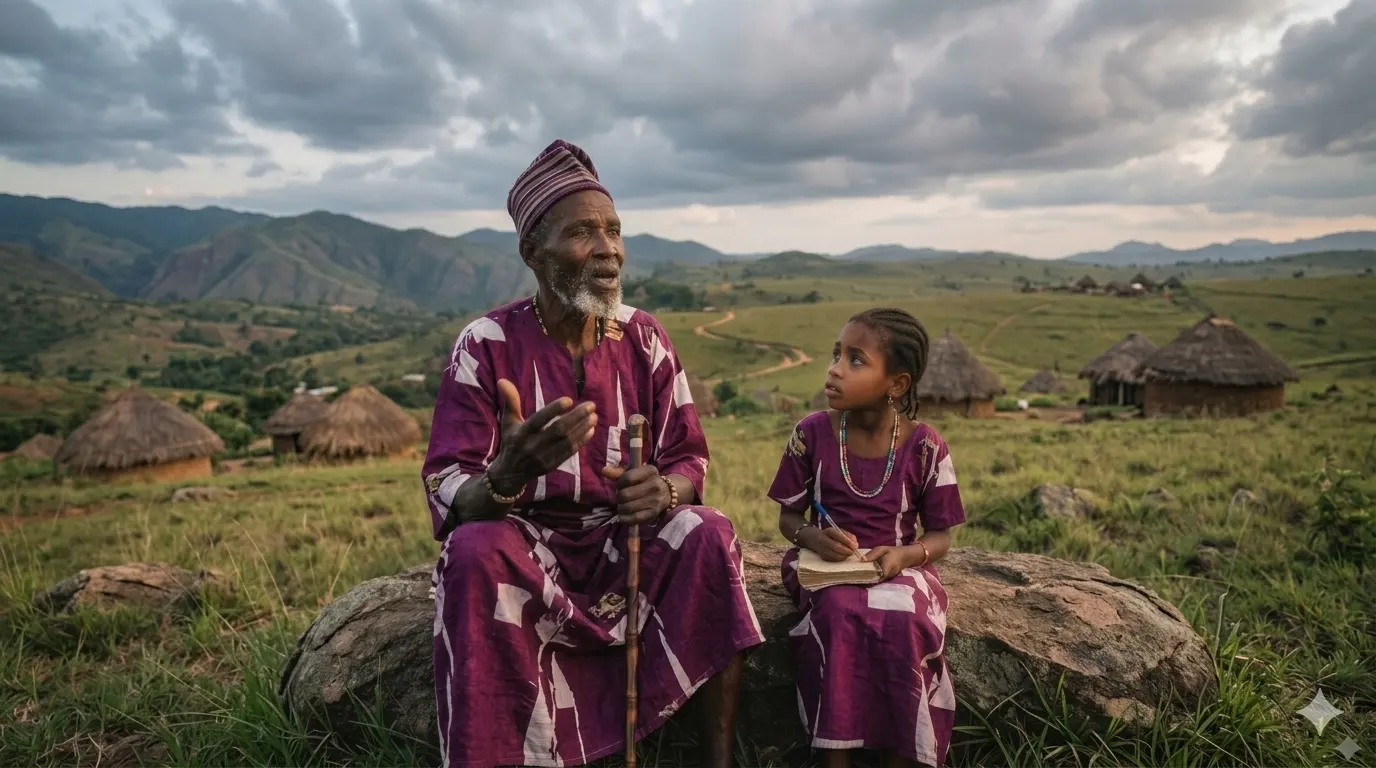
But as I walked through the streets, I found myself asking some difficult questions about us as Mambilla people. Why are some of our young people no longer proud to openly speak their own language? A few metres from Bogol, close to Leme Filling Station, I came across a group of young Mambilla men speaking Fulfulde among themselves instead of our own language. A Hausa man who owns a nearby shop noticed the same thing and asked them, "Which language are you speaking?" They replied that they were speaking Fulfulde. He then asked, "Are you people Fulani?" After quietly admitting that they were Mambilla, he asked another question: "Do you mean you don't understand your own language?" They answered that they did. At that point, the man simply shook his head. That encounter stayed with me. I returned home wondering: if, in Sardauna Local Government Areathe very heartland of the Mambilla peopleour young people are becoming uncomfortable speaking their own language, then who will speak it for us tomorrow? Our language is not a burden. It is not something to be ashamed of. It is part of our identity, our history, and our inheritance.
Learning to speak Fulfulde, Hausa, English, or any other language is not a weakness. In fact, being multilingual is an advantage in today's world. The real concern is when a Mambilla child grows up knowing other people's languages but cannot speak or understand the language of his or her own people. A people can lose their identity long before they lose their land. When a generation stops speaking its language, it begins to lose part of its history. When it stops telling its stories, singing its songs, and teaching its children its traditions, something precious disappears quietly, one generation at a time. This is why our elders, parents, teachers, religious leaders, and community organisations have a responsibility to act. We must create an environment where our children can learn the Mambilla language without embarrassment. Our schools, cultural associations, social media platforms, and community gatherings should all promote it. Let us also embrace technology. Our young people are active on Facebook, TikTok, YouTube, and many other platforms. Why can't we have more Mambilla content online? Why can't we record our elders telling our history? Why can't we produce Mambilla music, films, documentaries, dictionaries, storybooks, language-learning apps, and educational materials in our own language? If we wait until our language is almost forgotten before we begin to preserve it, we may discover that preservation has become far more difficult.
The following day, I visited Pagi, a place that holds many memories for our elders. In the past, our people who travelled from the villages to Gembu to sell their farm produce and other goods would often rest there before beginning their journey home. There, I came across a drinking spot owned by a young Kambu man. To attract customers, he constantly played Mambilla music, and from what I observed, about 80 to 90 percent of his customers were Mambilla people. There is absolutely nothing wrong with this. The young man has simply identified his market, understood his customers, and built his business around them. That is good business sense, and it deserves recognition. But it made me ask another question. With all our travelling, education, and exposure, how many Mambilla people have thought about investing in businesses that connect directly with our culture, language, music, and identity? How many of us are willing to invest in Gembu and other parts of Mambilla land? How many are thinking beyond politics and personal success to create businesses that can employ our young people? How many are prepared to establish industries, cultural centres, entertainment businesses, educational institutions, agricultural ventures, tourism projects, and other enterprises that can create opportunities for the next generation?
My dear Mambilla brothers and sisters, we must begin to think differently. We cannot continue to complain about unemployment, poverty, and the lack of opportunities while our own land remains underdeveloped and our young people continue to look elsewhere for survival. We need to invest in our land. We need to support those who establish businesses. We need to encourage our children to learn and speak our language with pride. We need to preserve our culture while embracing the positive aspects of modern life. We need to build businesses that will employ our people and help young men and women pursue education, develop their talents, and realise their potential. The responsibility does not belong only to those living in Mambilla land. Every Mambilla person—whether in Gembu, Abuja, Lagos, Jalingo, Yola, Cameroon, Europe, America, or anywhere else in the world—has a role to play. We must be open to the world without losing ourselves in it. We can speak other people's languages and still proudly speak our own. We can embrace modern civilisation without abandoning our culture. We can travel the world without forgetting where we come from. Let us stop asking only, "What can my community do for me?" Let us begin to ask, "What can I do for my community?" If we do not preserve our language, who will? If we do not invest in our land, who will? If we do not create opportunities for our young people, who will? And if we are not proud of who we are, why should we expect others to respect and value our identity? My fellow Mambilla people, the time has come to wake up. Our language, our culture, our land, and our future are our collective responsibility. Let us preserve what belongs to us, invest in what we have, and build a future in which the next generation will proudly say, "I am Mambilla, and I am proud."
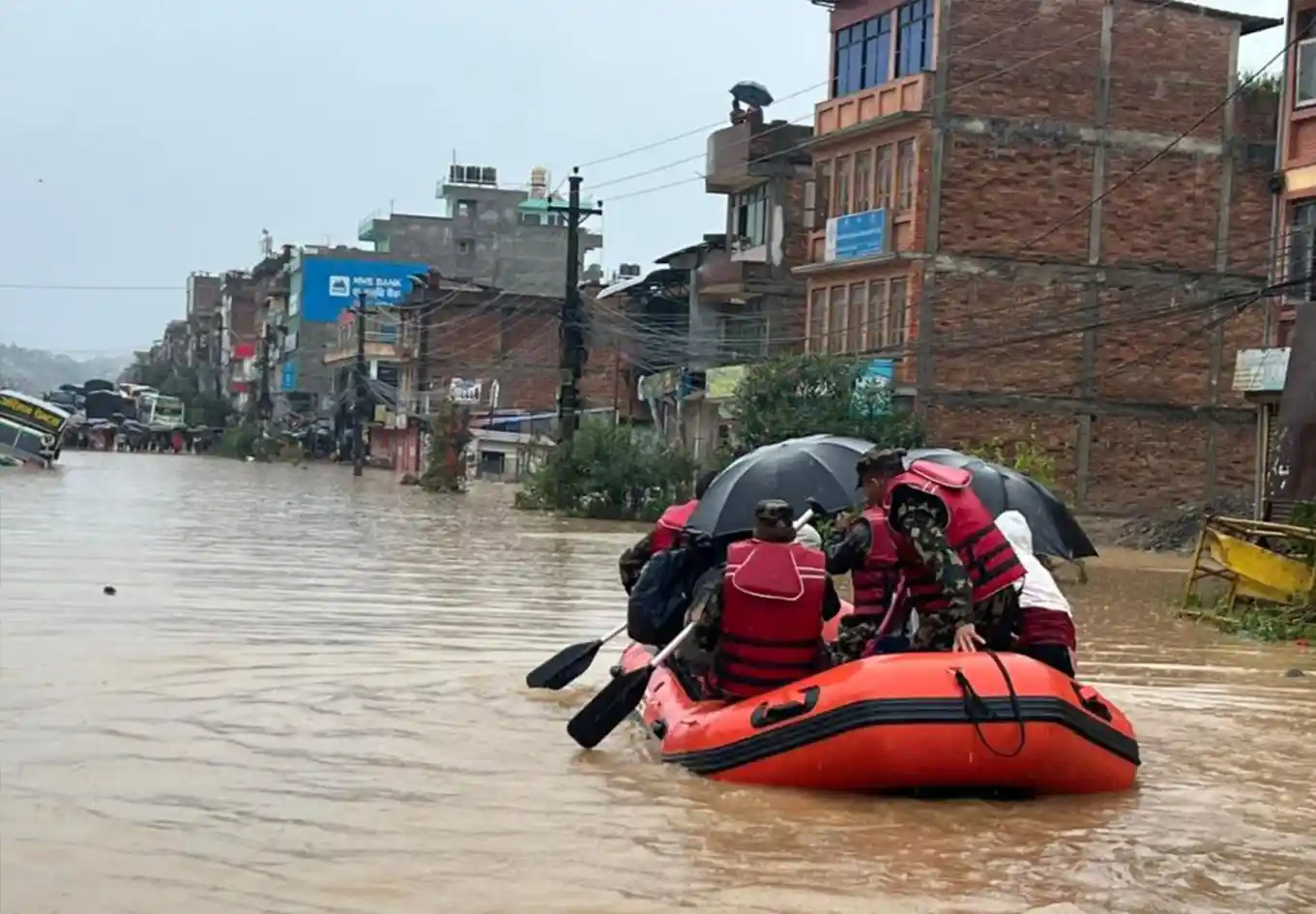
CATASTROPHIC FLOODS HIT NEPAL AS DEATH TOLL SOARS ABOVE 1,000
KATHMANDU, NEPAL Nepal is facing one of its most devastating natural disasters in recent years after catastrophic floodi…

John Ternus officially took over as Apple's new Chief Executive Officer
CUPERTINO, CALIFORNIA Apple announced that Tim Cook will become executive chairman of Apple’s board of directors and Jo…

NOVAK DJOKOVIC SUFFERS SHOCK US OPEN EXIT AFTER GRUELLING FIVE-SET
NEW YORK, UNITED STATES Novak Djokovic's pursuit of a record-extending 25th Grand Slam title suffered a stunning setback…

U.S.–VENEZUELA OIL DEAL: WASHINGTON SECURES CONTROL OF 65 BILLION
WASHINGTON CARACAS The United States and Venezuela have reached a landmark oil agreement that could dramatically reshape…