Abuja Kidney Scandal: Police Arrest Two Doctors, Others Over Alleged Organ-Harvesting Network
ABUJA — The Nigeria Police Force has arrested two medical doctors and two other suspects over an alleged organ-harvesting and human-trafficking operation reportedly linked to Nasarawa State and the Federal Capital Territory.
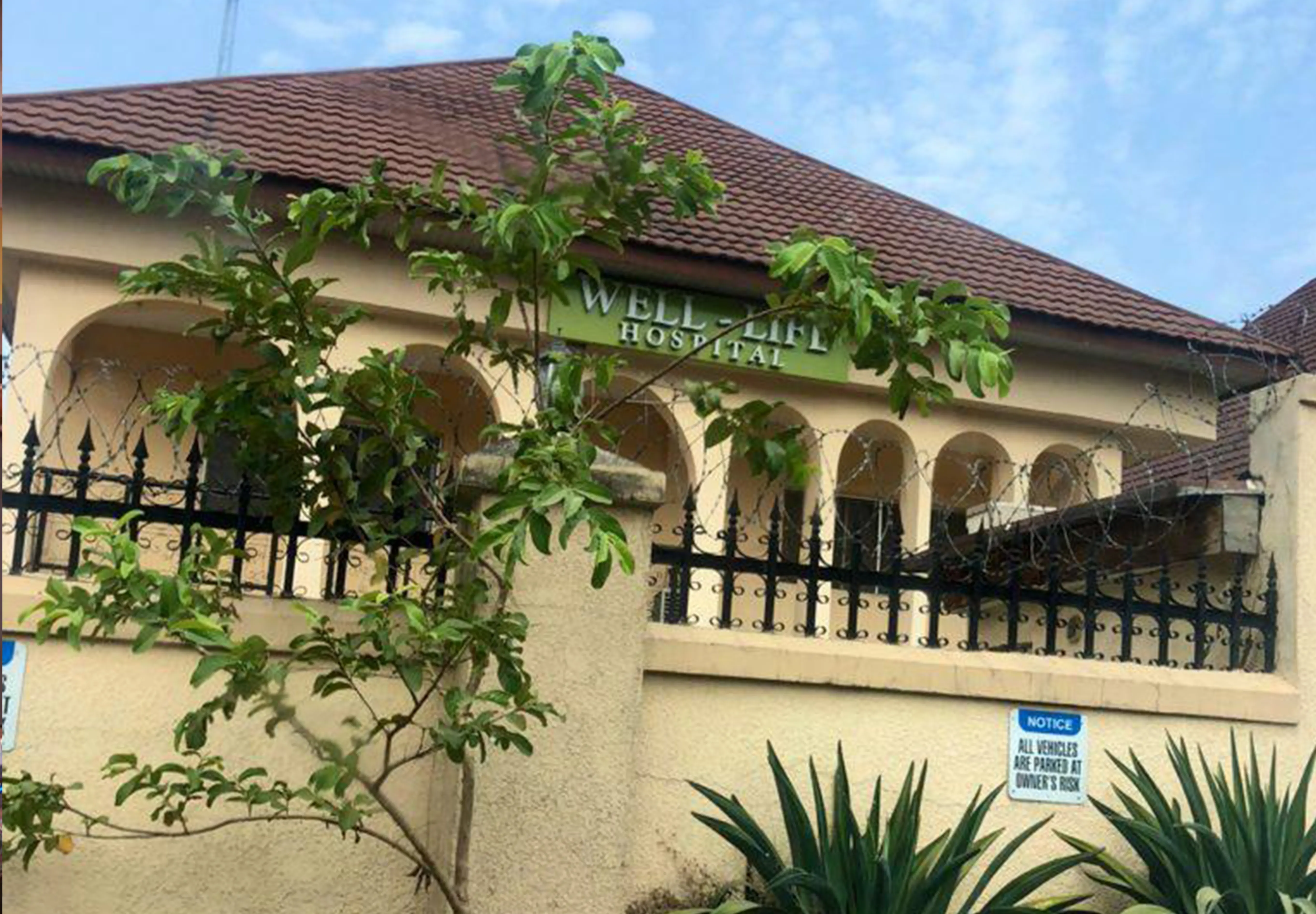
The arrests have sparked concern over the alleged exploitation of vulnerable young Nigerians and raised serious questions about how an illegal kidney-removal operation could allegedly take place within a medical facility.
The suspects were arrested on August 19, 2026, during a sting operation conducted by operatives of the Police Special Tactical Squad (STS) in Auta Balifi, Karu Local Government Area of Nasarawa State.
According to the police, those arrested are Emmanuel Ode, 23; Dr Benjamin Oyime, 48; Dr Daniel Otukpa, 53; and David Idoko, 25.
Police identified Dr Oyime as a nephrologist and consultant to Wellington Hospital, Life Camp, Abuja, while Dr Otukpa was described as another nephrologist and the hospital's Acting Director of Clinical Services.
The Alleged Kidney RemovalThe case came to public attention after 22-year-old Samuel Ezekiel reportedly discovered that he had lost a kidney.
According to the police investigation, Ode allegedly recruited Ezekiel and took him to Wellington Hospital in Life Camp, Abuja, on April 24, 2026, where his kidney was allegedly removed.
Police said Ode allegedly told investigators that Ezekiel was paid $1,250, which the authorities valued at approximately ₦1.7 million at the time.
Ezekiel has also publicly recounted his experience, alleging that he trusted Ode, who was his friend, and was persuaded to undergo the procedure after being assured that losing a kidney would not prevent him from living a normal life. The victim reportedly said his identity was changed during the process, with documents allegedly prepared using another name.
Police Allege a Wider Network Investigators say the case may extend beyond a single victim.
According to the police, a second alleged victim told investigators that he had been recruited by the same agent in 2022 and subsequently underwent a kidney-removal procedure, for which he was allegedly paid ₦7 million.
The police further alleged that the suspected syndicate targeted vulnerable young people, particularly those facing financial hardship, and used financial incentives to obtain consent for the procedures.
Investigators also alleged that official documents were falsified to facilitate the suspected operations and conceal the identities of victims. The documents reportedly included National Identification Numbers, birth certificates, age declarations, affidavits and consent letters.
Questions Surrounding Medical Consent The allegations have raised difficult questions about medical consent and the protection of vulnerable patients. While police say some victims allegedly consented to the removal of their kidneys, investigators are examining whether such consent was obtained through deception, manipulation or false representations. The distinction is important. A medical procedure involving organ donation requires informed and lawful consent, and investigators will need to establish exactly what the victims were told, what documents they signed, who authorized the procedures and under what circumstances the operations were conducted.
The arrest of doctors linked to a recognized medical facility has also intensified public concern because of the professional responsibilities associated with medical practice. However, the arrest of the doctors does not establish their guilt. The allegations against all four suspects remain subject to police investigation and, if charges are filed, judicial determination.
A Victim's Story Raises Further Concerns Ezekiel's account has added a deeply troubling human dimension to the investigation. He reportedly told journalists that he was initially unaware of the full implications of the procedure and relied heavily on assurances from his friend. He also alleged that money connected to the procedure was subsequently handled by Ode. His story became more widely known after activist Martins Otse, popularly known as VeryDarkMan, raised concerns about a young man who had approached his organization with medical evidence reportedly showing that one of his kidneys was missing. The development has since moved from social-media allegations into a formal police investigation.
Police Promise Further Investigation The Nigeria Police Force said investigations are continuing and that efforts are underway to identify other individuals who may be connected to the alleged network.
The authorities also recovered items allegedly purchased with proceeds from the suspected criminal activities, according to the police. For now, many questions remain unanswered: What exactly happened inside the hospital? Who authorized the procedure? Were proper medical and legal consent procedures followed? Were other victims involved? And what role, if any, did each of the arrested suspects play? Those questions are expected to form part of the ongoing investigation. As the case develops, the public will be watching closely for answers—not only for Samuel Ezekiel, but for any other potential victims who may have been exploited in similar circumstances.
The allegations remain unproven in court, and all the suspects are entitled to the presumption of innocence unless and until they are found guilty by a competent court.
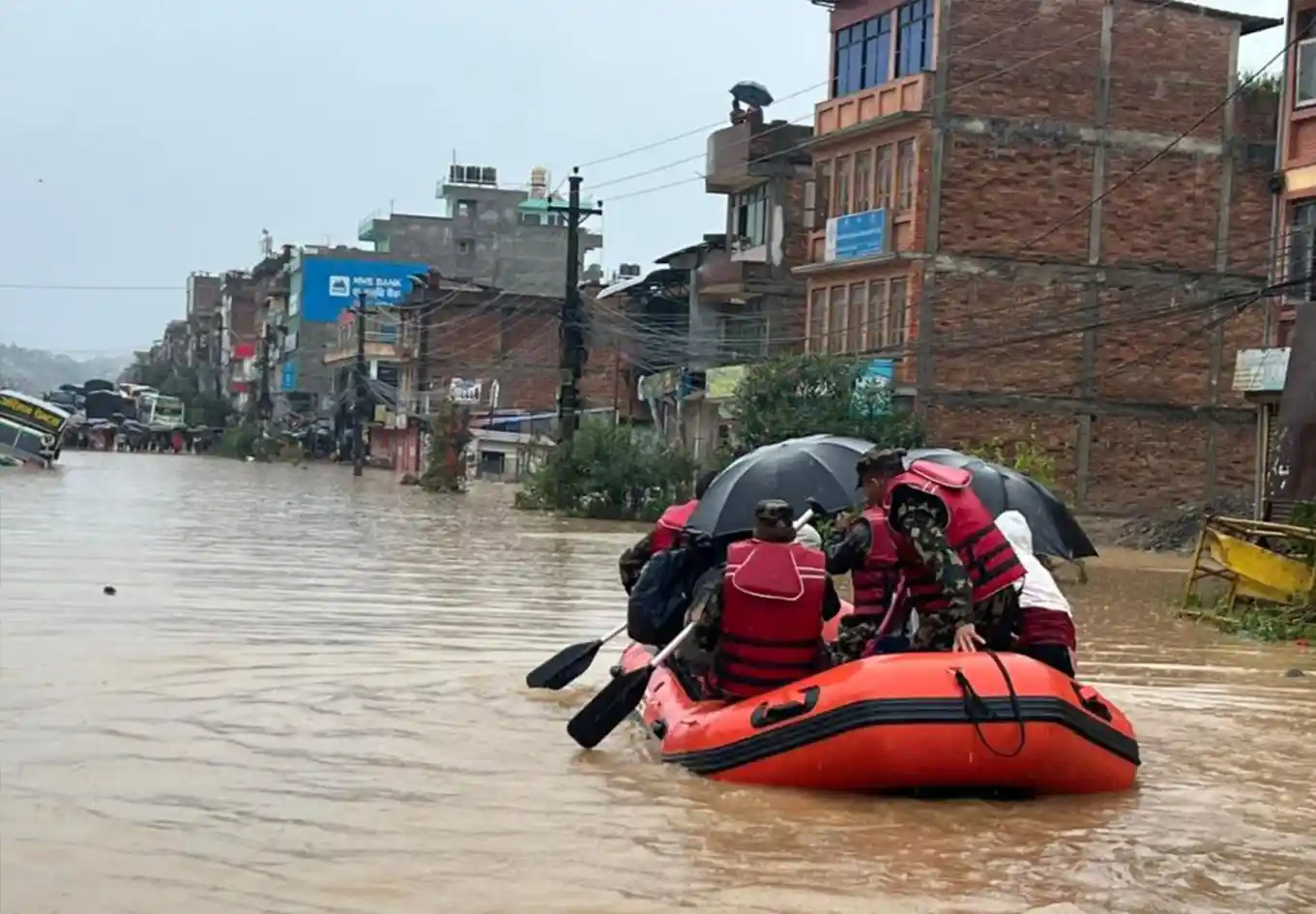
CATASTROPHIC FLOODS HIT NEPAL AS DEATH TOLL SOARS ABOVE 1,000
KATHMANDU, NEPAL Nepal is facing one of its most devastating natural disasters in recent years after catastrophic floodi…
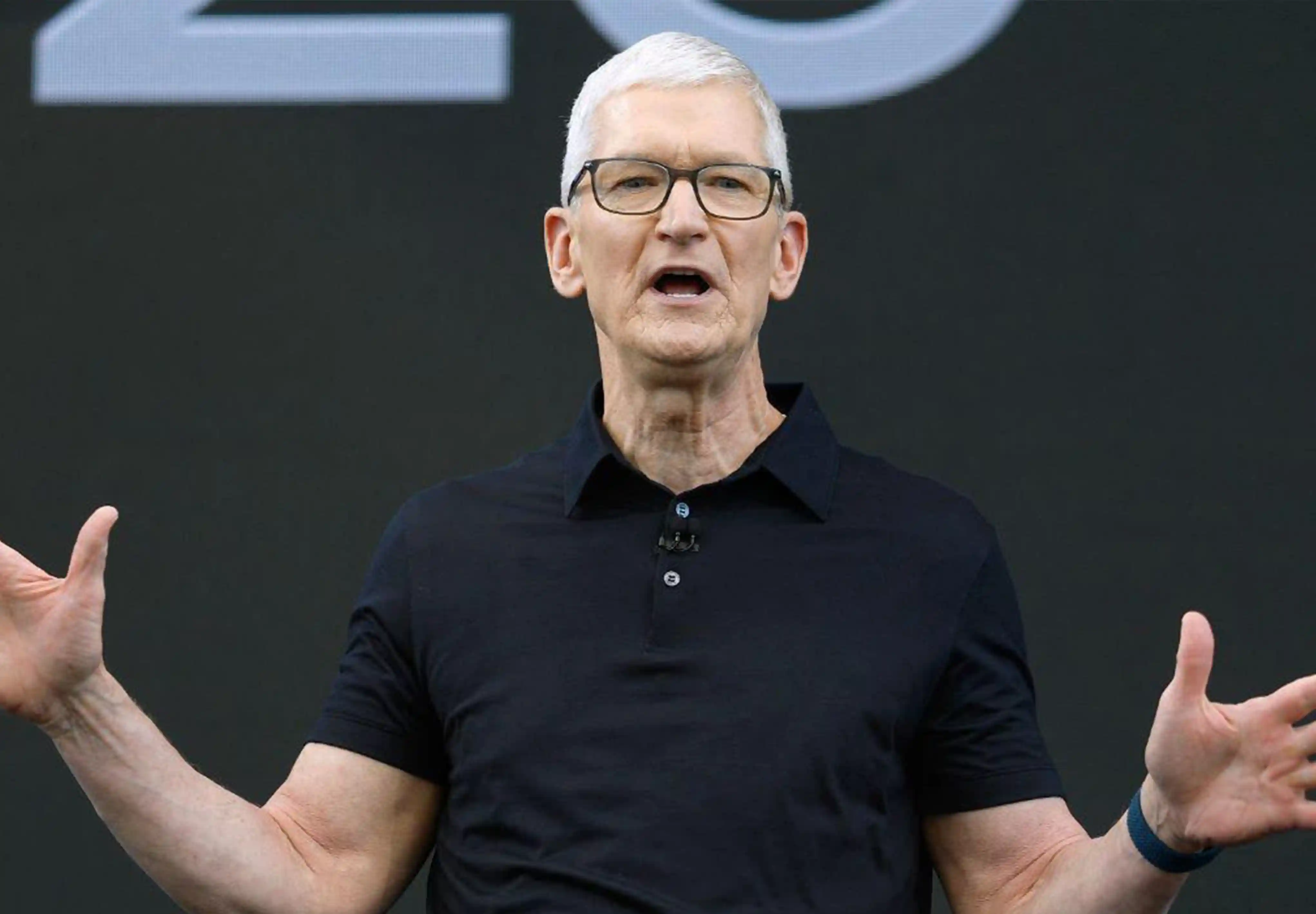
John Ternus officially took over as Apple's new Chief Executive Officer
CUPERTINO, CALIFORNIA Apple announced that Tim Cook will become executive chairman of Apple’s board of directors and Jo…
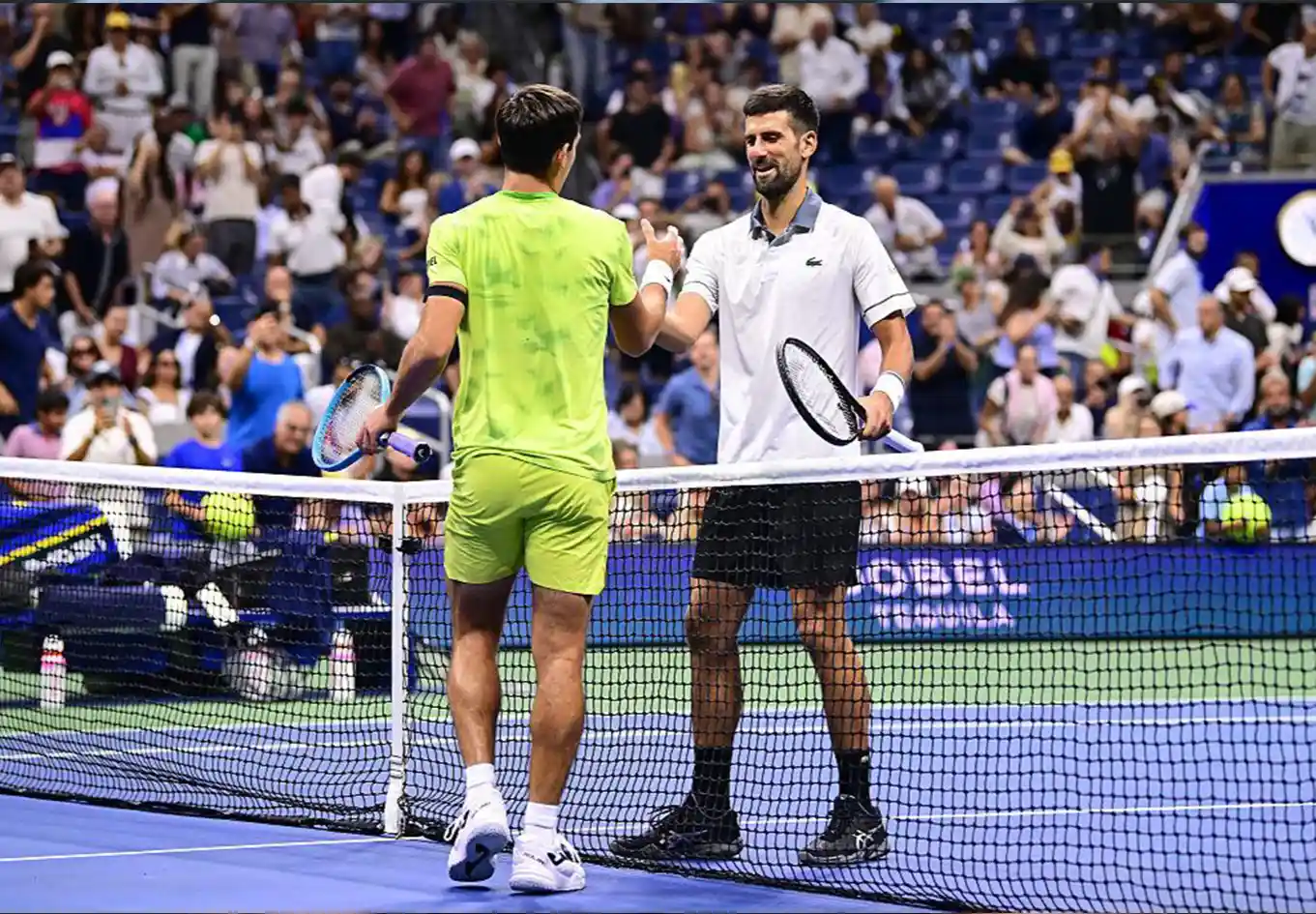
NOVAK DJOKOVIC SUFFERS SHOCK US OPEN EXIT AFTER GRUELLING FIVE-SET
NEW YORK, UNITED STATES Novak Djokovic's pursuit of a record-extending 25th Grand Slam title suffered a stunning setback…
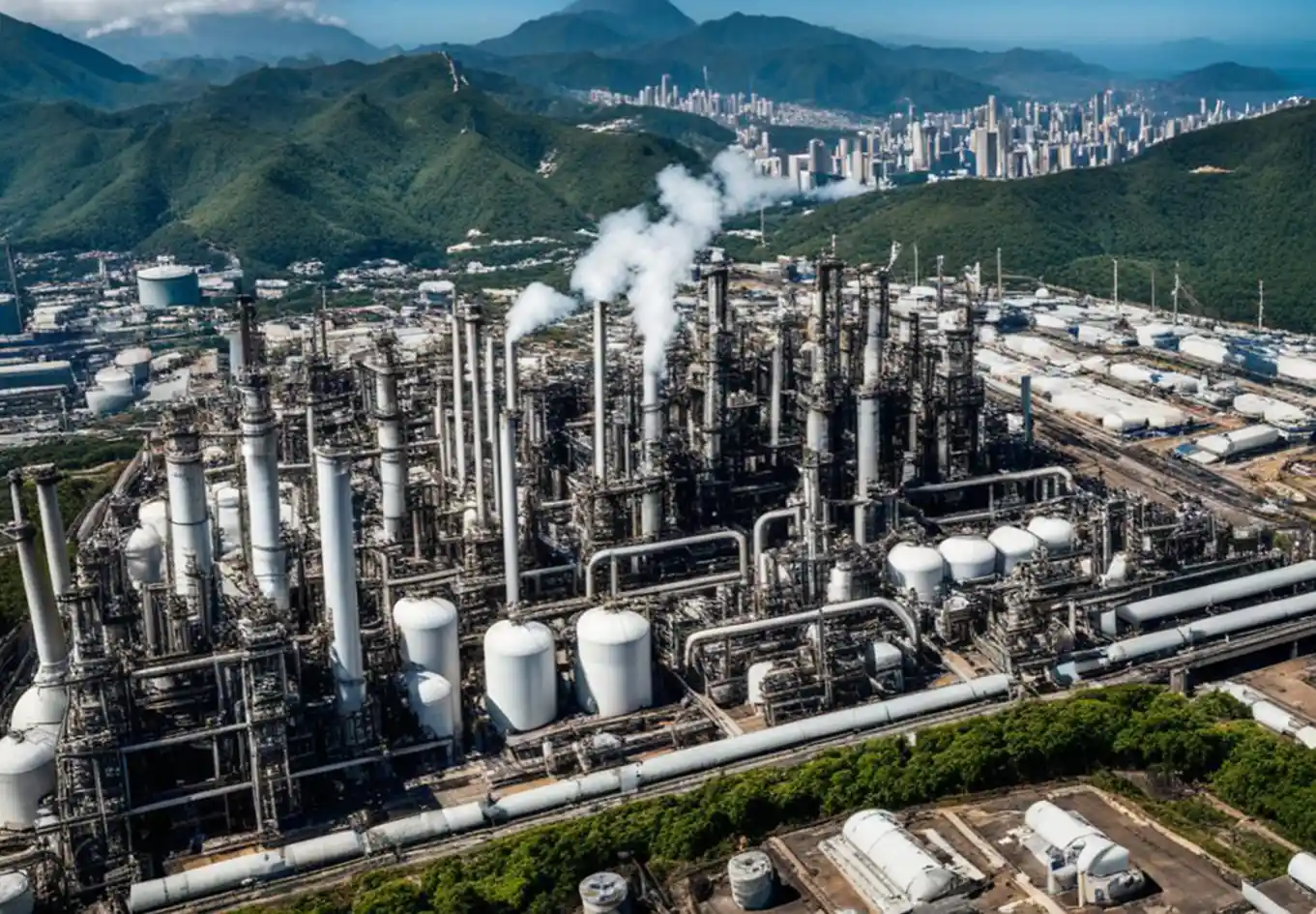
U.S.–VENEZUELA OIL DEAL: WASHINGTON SECURES CONTROL OF 65 BILLION
WASHINGTON CARACAS The United States and Venezuela have reached a landmark oil agreement that could dramatically reshape…
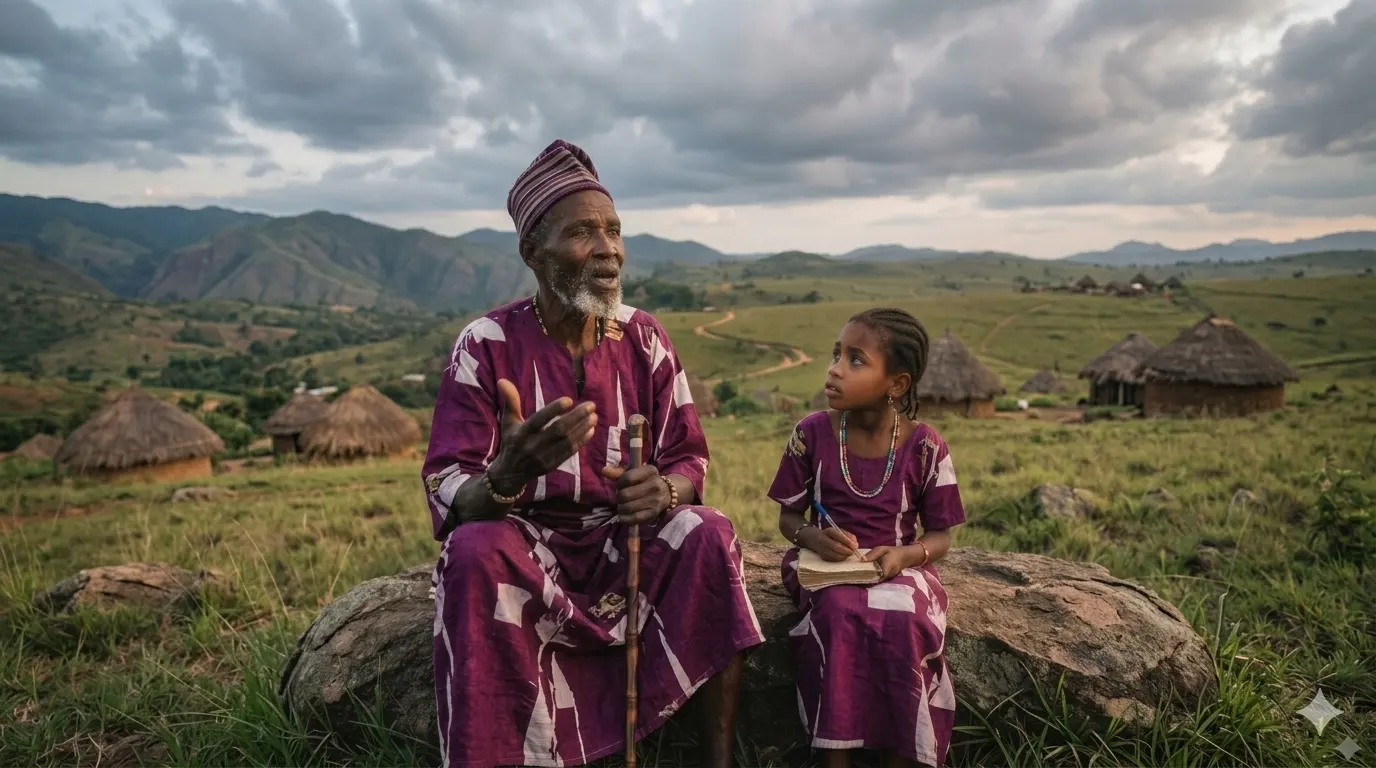
THE MAMBILLA IDENTITY: WHO WILL SPEAK OUR LANGUAGE FOR US?
I recently walked through Gembu town, and I could not help but notice how drastically it has changed. Gembu has grown tr…