DRC Ebola Outbreak Surpasses 6,000 Cases as Death Toll Nears 3,000
KINSHASA, Democratic Republic of Congo. The Democratic Republic of the Congo (DRC) is facing its worst Ebola outbreak in history, with confirmed infections now surpassing 6,000 cases and the death toll approaching 3,000, according to the latest government figures.
As of August 31, 2026, authorities had recorded 6,041 confirmed Ebola cases and 2,911 deaths, making the current outbreak significantly deadlier than the country's previous major Ebola epidemic between 2018 and 2020.
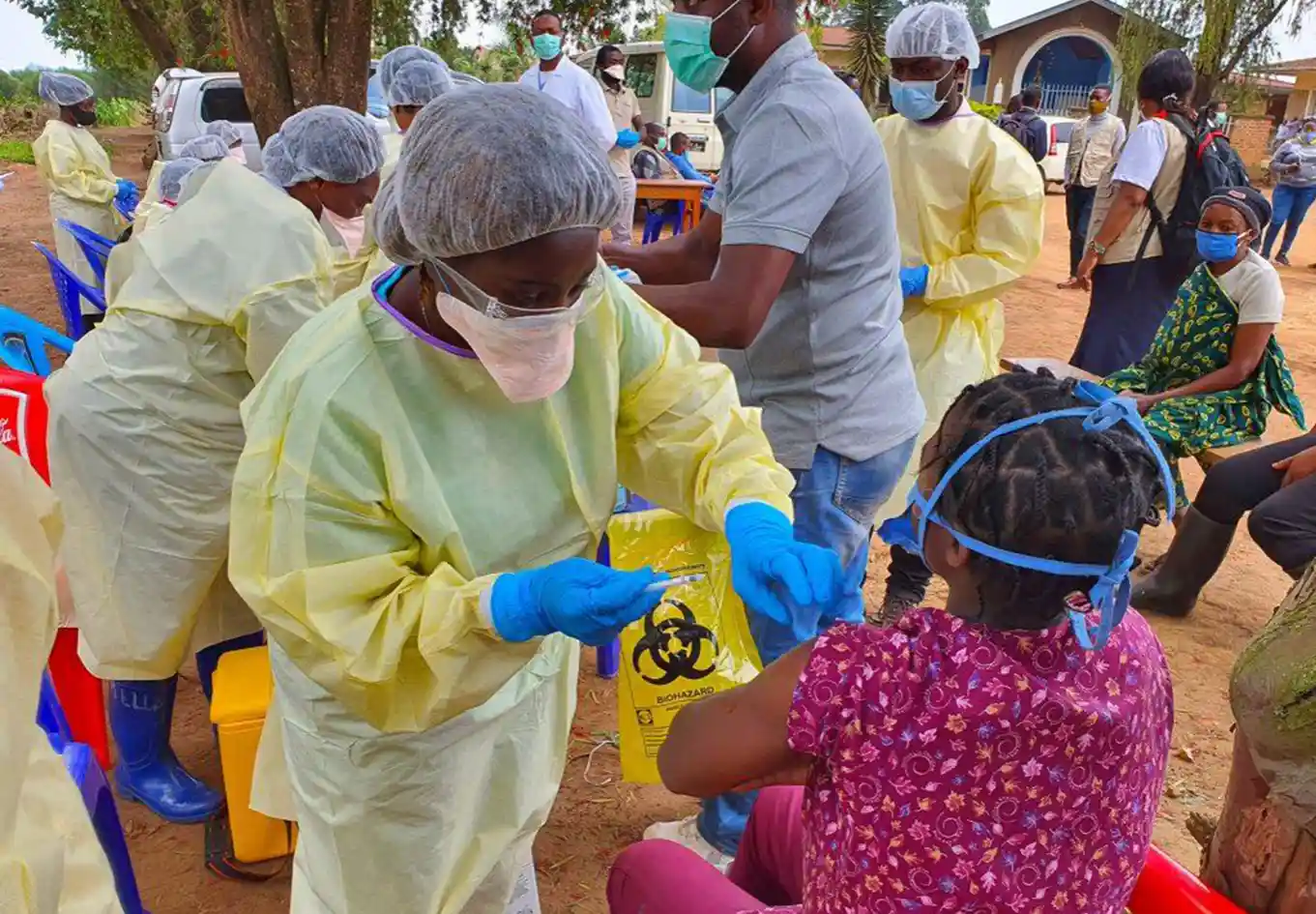
The outbreak, which was declared in May, is being driven by the Bundibugyo virus, a relatively rare species of Ebola virus. Unlike the Zaire strain responsible for several previous major Ebola outbreaks, there is currently no approved vaccine or specific treatment for Bundibugyo Ebola. Outbreak Spreads Across Six Provinces The disease has spread rapidly across the eastern and northern parts of the country. WHO reported that, by August 26, cases had been detected in 60 health zones across six provinces, with Ituri Province remaining the epicentre.
North Kivu has also recorded a substantial number of infections, while cases have been reported in Haut-Uélé, Tshopo, South Kivu and Bas-Uélé. Health officials say the rapid increase in cases is partly linked to improved surveillance, expanded laboratory testing and the clearing of testing backlogs. However, WHO has also warned that the continuing rise reflects ongoing transmission and substantial expansion of the outbreak. Nearly Half of Confirmed Patients Have Died The scale of the outbreak has raised serious concerns among health authorities and international organizations. WHO's figures from August 26 showed a case-fatality rate of approximately 48.1 percent among confirmed cases in the DRC. At least 1,293 patients had recovered by that date.
The outbreak has already overtaken the death toll of the DRC's 2018–2020 Ebola epidemic, which previously represented the country's deadliest Ebola crisis. The current outbreak is also spreading faster than previous Ebola outbreaks recorded in the country. Health Workers and Communities Under Pressure The response is being complicated by insecurity, population displacement, limited healthcare resources and difficulties reaching remote communities. Health workers are operating in some areas affected by armed conflict, while attacks and insecurity have made surveillance, treatment, contact tracing and safe burials more difficult. Population movement is another major concern. WHO has warned that continued transmission in the DRC increases the possibility of the virus being exported across international borders. Border surveillance and screening measures have therefore been strengthened. Vaccination Campaign Underway Despite the absence of an approved vaccine specifically for the Bundibugyo virus, the DRC has begun using Ervebo, a vaccine that is approved for Ebola caused by the Zaire species.
The WHO says it is not yet known whether Ervebo provides protection against Bundibugyo virus in humans. A clinical trial is therefore being conducted to generate evidence about its effectiveness against the current strain. The vaccination campaign initially focused on healthcare workers and other people at high risk of exposure. WHO Maintains International Health Emergency The WHO continues to treat the outbreak as a Public Health Emergency of International Concern, reflecting the risk posed by the rapid spread of the virus and the possibility of cross-border transmission. The US Centers for Disease Control and Prevention has described the outbreak as spreading substantially faster than previous Ebola outbreaks and says the current crisis is now the second-largest Ebola outbreak on record.
For the wider African region, health authorities are particularly concerned about countries sharing borders with the DRC, where population movement and informal border crossings could make detection and containment more difficult. A Growing Humanitarian Crisis Beyond the statistics, the outbreak is placing additional pressure on communities already dealing with displacement, insecurity and weak healthcare infrastructure. The reopening of schools in parts of Ituri has also generated concern among parents and teachers, with authorities introducing measures such as temperature screening, hand sanitization and hygiene education. However, some communities continue to face shortages of clean water and other essential resources.
With infections continuing to rise, health authorities are calling for stronger surveillance, greater community cooperation, protection for frontline health workers and increased international support. The latest figures underline the seriousness of the crisis: more than 6,000 confirmed infections and nearly 3,000 deaths in just months, making the 2026 Ebola outbreak one of the most serious public-health emergencies currently confronting Africa.
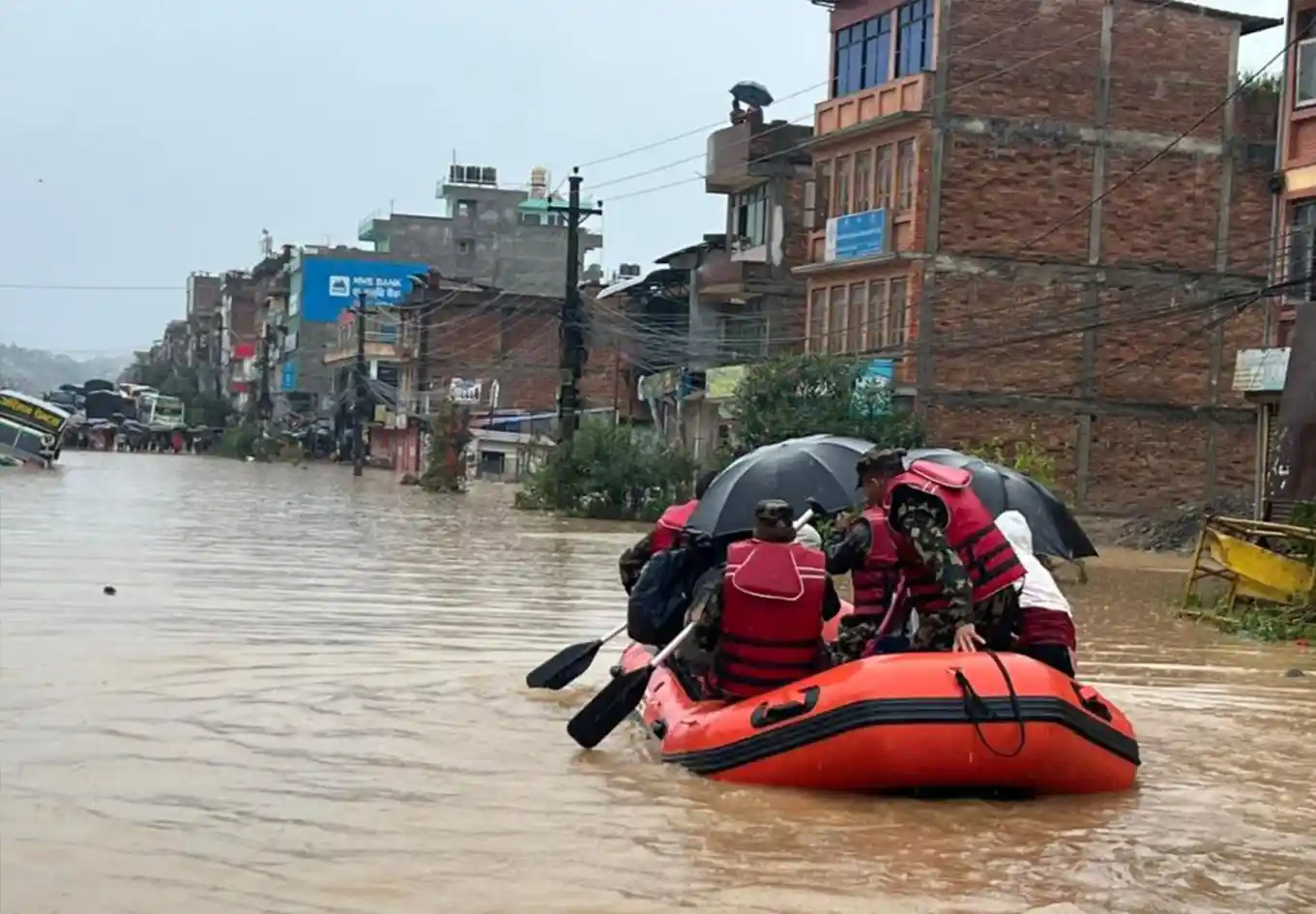
CATASTROPHIC FLOODS HIT NEPAL AS DEATH TOLL SOARS ABOVE 1,000
KATHMANDU, NEPAL Nepal is facing one of its most devastating natural disasters in recent years after catastrophic floodi…

John Ternus officially took over as Apple's new Chief Executive Officer
CUPERTINO, CALIFORNIA Apple announced that Tim Cook will become executive chairman of Apple’s board of directors and Jo…

NOVAK DJOKOVIC SUFFERS SHOCK US OPEN EXIT AFTER GRUELLING FIVE-SET
NEW YORK, UNITED STATES Novak Djokovic's pursuit of a record-extending 25th Grand Slam title suffered a stunning setback…

U.S.–VENEZUELA OIL DEAL: WASHINGTON SECURES CONTROL OF 65 BILLION
WASHINGTON CARACAS The United States and Venezuela have reached a landmark oil agreement that could dramatically reshape…
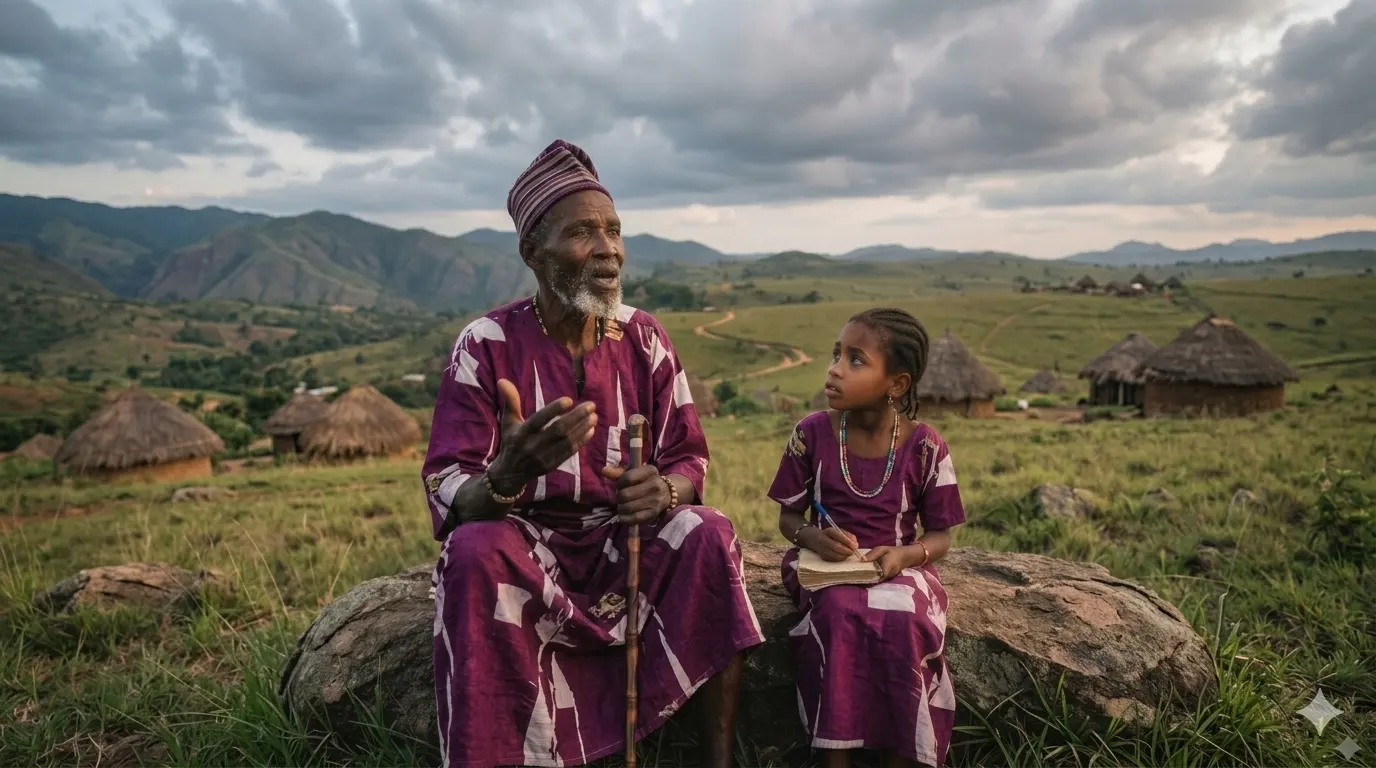
THE MAMBILLA IDENTITY: WHO WILL SPEAK OUR LANGUAGE FOR US?
I recently walked through Gembu town, and I could not help but notice how drastically it has changed. Gembu has grown tr…