WHO Warns of Growing Threat From Antimicrobial Resistance Worldwide
The World Health Organization has warned that antimicrobial resistance remains a major global health threat. In a fact sheet published on 16 July 2026, WHO explained that antimicrobial resistance occurs when bacteria, viruses, fungi and parasites no longer respond effectively to medicines designed to treat the infections they cause. As a result, some infections become more difficult or even impossible to treat with available medicines.
WHO reported that approximately one in six laboratory-confirmed bacterial infections worldwide in 2023 was resistant to antibiotic treatments. The organization also cited estimates associating bacterial antimicrobial resistance with more than 4.7 million deaths globally in 2021. These figures illustrate the scale of the problem, although they refer to different years and different measures of disease burden.
The misuse and overuse of antimicrobial medicines are important drivers of resistance. Antibiotics, for example, do not treat viral infections such as the common cold or influenza. Using antibiotics when they are not needed can contribute to resistance, while poor infection prevention and limited access to appropriate diagnostic tests can make the problem more difficult to control.
WHO recommends a coordinated response involving healthcare professionals, governments, researchers, agricultural sectors and the public. Measures include responsible prescribing, better infection prevention and control, improved access to diagnostic testing, vaccination, stronger surveillance and appropriate use of antimicrobial medicines in people and animals. Patients should seek professional medical advice and use prescribed medicines according to their healthcare provider's instructions.
Antimicrobial resistance can affect people in every country, but communities with limited access to quality healthcare may face particular difficulties in preventing and treating resistant infections. WHO's warning reinforces the importance of investing in laboratories, health worker training, public awareness and research into new treatments. Protecting the effectiveness of existing medicines is essential for modern healthcare and future generations.
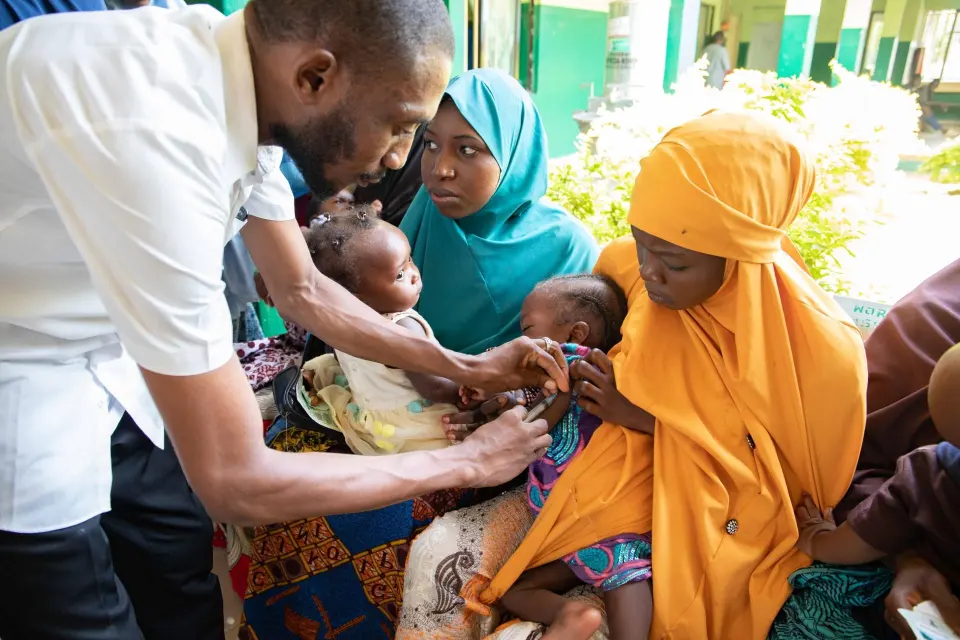
Nigeria Expands Measles and Rubella Vaccination Campaign to Protect Children
Nigeria launched the second phase of its measles and rubella vaccination campaign in January 2026, with the aim of immun…
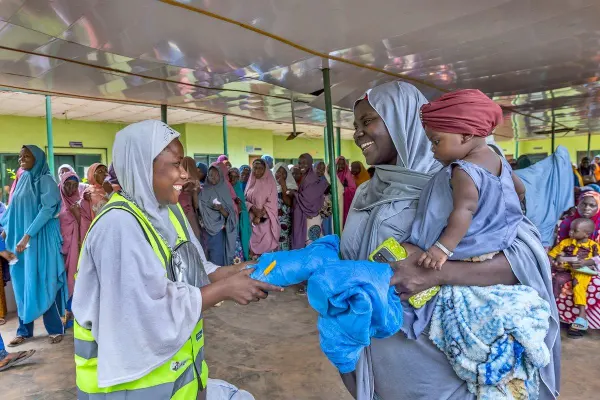
Nigeria Reports Decline in Malaria Prevalence, Sets New 2030 Targets
The Federal Government of Nigeria has reported a decline in malaria parasite prevalence among children aged six to 59 mo…