Titles and Positions in Mambilladom
The traditional titles and positions within Mambilladom reflect the rich cultural heritage, leadership structure, and social organization of the Mambilla people. These titles represent various roles and responsibilities in traditional governance, community administration, and the preservation of customs and traditions. The following list highlights some of the recognized titles and positions within Mambilladom and their significance in Mambilla society.
TÁMBÒN - Literally, “Father-King”. Paramount Ruler in a Paramount Chiefdom. Head of the Tambondom.
MBONDUÀ - ‘Great Chief’. ‘The Paramount’. Root has same meaning as ‘Tambon’. In a multi-tier system, Mbonduà may be used for the position next below the Tambon, e.g. a 2nd-Class, 3rd-Class Chief, etc.
MBÒN CHIRE - As in Tambon and Mbonduà. Note: Tambon, Mbonduà and Mbon Chire may be configured
MBÒN - 'Mbon' and 'Ngwa' semantically the same. With time, 'Mbon' came to be associated with a higher Chief (but of a subordinate Chiefdom, or a District in the Tambondom, whichever is in place next below the Tambon or Mbondua (in modern times) for the purpose of easing administrative complexities). 'Ngwa' is thus reserved for a Chief next below the Mbon in the hierarchy.
NGWÀ - See under (MBÒN) above
KYŬR - 'Lord'. Full term is 'Kyŭr Ndugo' ('Lord of the Kindred') (Ndugi). Kindred Head. Used of Kindred or Clan Elders, who constituted the Bàtaribí Council around every category of Chiefs. Among these were Priests of the Mambilla Religion. Today's 'Ward Head'. Heads of certain institutions, and respected elders of the community.
CHENG (ChengMboni, Chengnyia).
The Chengmbònì is Deputy of the King who, in his temporary absence, could hold the fort. He used to be the highest official in the Chief's Council. Consequently, the Cheng is usually a Nyü of the Chief's or any other relative. In a re-organized Tambondom, the strict requirement of consanguinity may not be important.
MBÙUNG - Also termed Mbùungnyia. Chief's Principal Palace official in olden times. Council Member in modern reorganization. Thus, a Nyü of the Chief or any other relative. The Mbùung can supervise Palace administration in addition to other function, such as the distribution of food, drink, etc.
MAMBÒN - Female Chief and Head of Chiefdom. Generally, not resorted to under normal circumstances but special situations have warranted it in history. Bandicha of Kuma Chiefdom (Reign: c. 1761 – 1800) was a Mambon, a Paramount Ruler of Kuma. A source named Mambon "Sewa" (male or female?) of Mbungnu, and another Mambon "Hageyi" of Mbungnu, as Mambons (female chiefs). Due to conflicting information, these two Mbungnu case must be taken with caution, until concurrence is reached. Menyia I of Gam served as Mbon Làbirrì and as the Mbùung or Palace Leader of Mbon Sage (c. 1895 – 1903). Title is equally applicable to King's wife.
MĚNYIA - Female Chief ("mother chief"), usually, not of the highest Chief of any political unit, but of some important Order or traditional institution. Women have served as heads of the Làbirr Service (Lòb, Nèbìn). A prominent Menyia was at Gam in the 1800's. Two other Menyia's were to follow subsequently. The office alternated between women and men, but women have been the most linked to this office. In the Gam example, the Làbirr Office was held, among others, along this line: Biiduung (F) – Kiilimbù (M) – Sage (M) – Menyia I (F) (daughter of Ngwa Sage and wife of Kwúlámìl) – Ngwii (M) – Menyia II (F) wife of Kwun – Kíkirr (M) the last known who died in the 1980's after Christianizing. The Bàtaribí Council, including Elder Virrvua, sat to appoint another but were unsuccessful as most eligible candidates had become Christians and declined to take up the office.
The "Menyia" title was nevertheless subsequently given to Tádîng, daughter of father Baba Kwúlámìl Mbefa and mother Halina Birrnyia daughter of Ngiunji). Tádîng was another descendant, who later married Nàrrndii Hagil Nzilingwii. Menyia Tádîng unfortunately passed away early in life (November 2023). It was not ascertained whether she had the powers of that office or merely had the title as a name.
MBÒN-CHÙUKÌ - Head of the Chuuk System. Today, applicable to anyone attracting fortune to the land.
KYŬRTABÍ - War Chief. General of the Army. Applicable to one who has achieved great records in the physical or political defence of the realm.
NGÍN-NGWA - another term used. Of, or related to royalty.
NYÜ - Mún-nyu. Originally, nephew of the Chief, son of the Chief's sister. Attributively, anyone serving this purpose. Any other maternal relation, whether of a chief or any other person.
MBON-BELÍ - 'Lord of the Temple'. Head of the religious Sanctuary. Today, applicable to one with 'priestly' functions.
MBONSU - Also Ngàngsù. Priestly office. Sacerdotal functions.
MBON LÀBÌRRÌ - Head of the Làbìrr Institution. Any office of corresponding function.
TANYIA - Literally 'Father-Chief'. A male Chief or Head of any traditional function.
NYIALÙLÌ - 'Chief of the Town', equivalent of a Mayor, Head of Local Administration.
NYIADUÀ - (also, Nyiarrdua). 'Great Chief'. May be held by any High Chief, Statesman, etc. "Great Buffalo". Mambila chieftaincy is greatly associated with the nyiàrr (nyia) (Buffalo) whose tail is used as the Chief's Switch. Traditional Councillor in a modern system.
BUMBONÌ - 'Hand of the Chief', one who performs for the Chief or the Tambonate in any capacity. Especially, Chief's Scribe in a modern system.
GURMBONÌ - Literally, 'Leg of the Chief'. An Ambassador, Representative of the Tambondom, or equivalent.
MBADUÀ - Literally, "Great Youth". Male only. Applicable to Youth of notable contribution to Mambilla Cause. Youth Leader. "Mbanyia" falls in the same category, "King's Youth".
NDÀRMBONÌ - Prince, male counterpart of Vírmbònì. Same category as “Mún-ngwà”.
MBÒNNGWII - "Chief of the Order of the Leopard'. An enterprising bulwark of the Tambondom; Notable, Valiant figure.
MBONGWÚRÌBÌ - Also Mbon-Gúrubi or Mbon-gwúrìbì: "Chief of the Order of the Lion". Exceptionally respected, enigmatic and 'all-conquering'.
YÙNNYIA - Literally, 'Mouth of the Chief', Chief's Spokesperson. Head of Information ex officio or ceremonial.
YÙNSÙ - Of similar significance as Yùnnyia. Oraclists. Prophet, or any representative of the Divine (King).
VILMBONI - Chief's Wife. The Queen. Also, goes with additional titles, e.g. Mambon, Děmbòn, Wémbòn, Léngmbòn, etc. as desired.
VÍRMBONÌ - Princess. Female imbued with Royal Blood. Born or accorded.
VÍRNGWÀ - Same meaning as 'Vírmbònì'.
VÍRNYIA - As in 'Vírmbònì'.
MBÒNVE - Literally, 'female chief'. Any woman's regal office.
NGIRAVE - 'Great Woman'. Woman of timbre and calibre. Prominent and proactive woman.
MÁVÍR - As a prefix to some female personal titles names e.g. Mávír-Bommi, Mávír-Liimili (Mávír Ndiimó) etc. Woman of worth of such an origin. Today, Mávír Nòrrì or Mávír-Mambilla is title of a respected Mambilla woman, whether married outside or within the Tambondom.
VÍR - A female descendant of the Chief's Family. A Princess. All females related to royalty. More fully, Vírmbònì, or Vírngwà.
VENYIA - Female counterpart of Tanyia. An alternative for Menyia. May be used for one of female positions.
MÚN-NGWA - Also, Mun-mboni. Prince/Princess.
MÚN-MBONÌ - Prince or Princess.
MÚNMBÒ - Prince or Princess (most prominent within Bang). Same as Mun-mboni.
GÈLMBONÌ - ‘The Royalty’. One Related to royalty.
GÈLNGWÀ - ” ” ”
NZILINYIÀ - Literally 'Eye of the Chief'; Head of Security, Palace, or a similar function.
NZILIMBONÌ - Meaning as in 'Nzilinyià'.
BUNYIÀ - Literally, 'Hand of the Chief', as in 'Bumboni'.
SÙUBÌILÌ - Attributively, ‘The Invincible’.
NDÌI - A chieftaincy position, originally used for someone who settled disputes. Hence, a judge. In history, also used of a Kindred Leader of other capacity than judicial. In some village jurisdictions, the Ndii's are representatives of their Kindreds in Village Council.
NDÌIDUA - Head of the justice system, or any high Chief. Member of Council in modern therm.
NGÍN - Ngín-ngwa. In Ndòm, a class of Royal Sisters of the Chief quite influential in the affairs of state. Alternative term for a Mbùung. Any of the most important positions close to the Ruler (in the Bàtaribí Council).
MBÍR - Mbir-ngwa. Another term for the royal family members used for princes and princesses.
BIIL NORRI - 'Friend of the Mambilla'.
BIIL MBONI - 'Friend of the King'.
NÀTARÍ - Singular of 'Bàtaribí'. Elder. Member of the Bàtaribí Council.
Source: Evolution of the Traditional political system in Mambilla
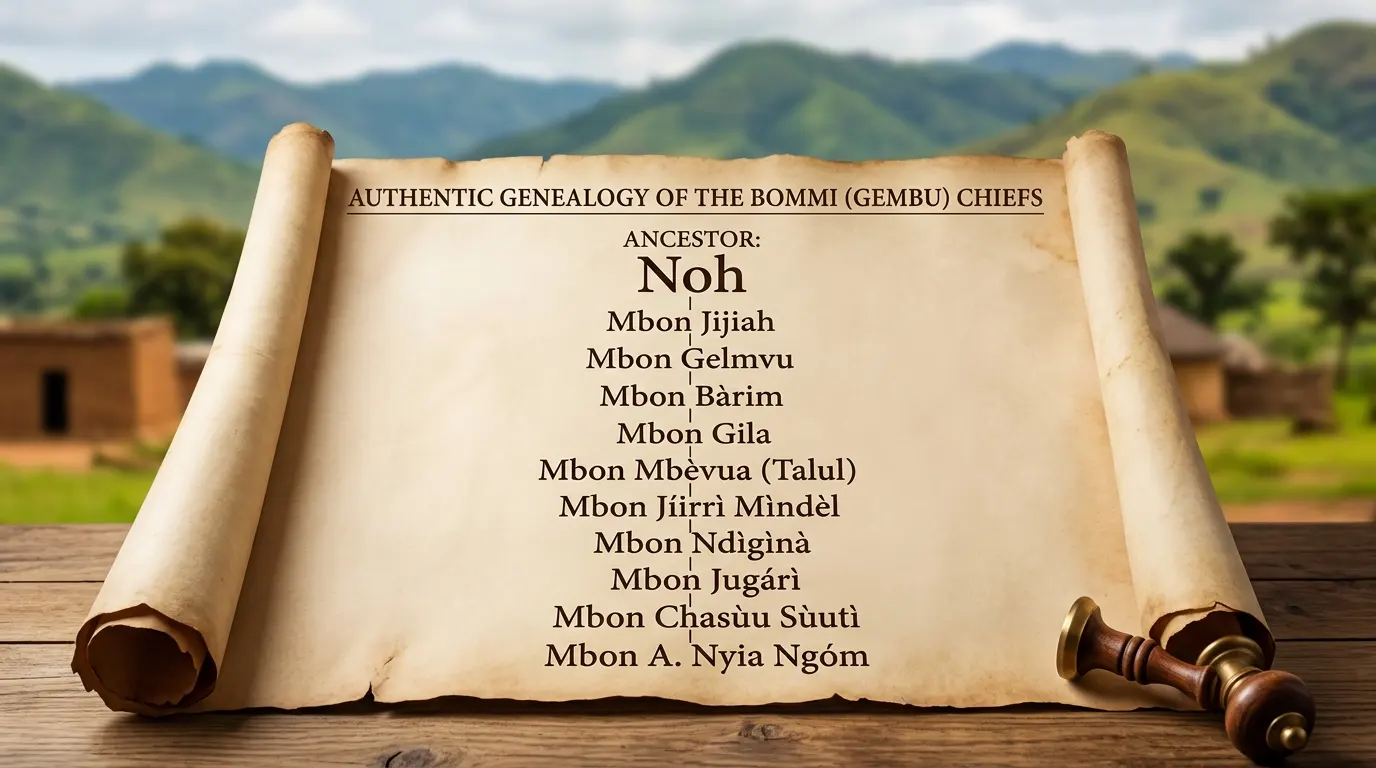
Genealogy of Bommi(Gembu) Chiefs in History
The genealogy of Bommi Chiefs provides a historical account of the traditional leadership lineage of Bommi within Mambil…
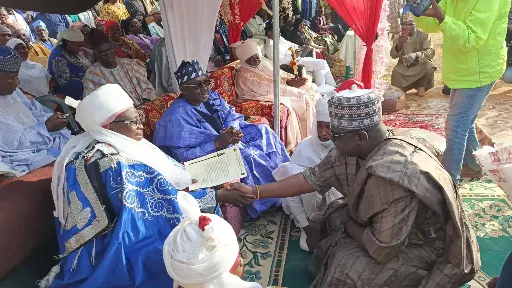
Genealogy of Kuma Chiefs
The genealogy of Kuma Chiefs provides a historical record of the traditional leadership lineage of Kuma within Mambillad…
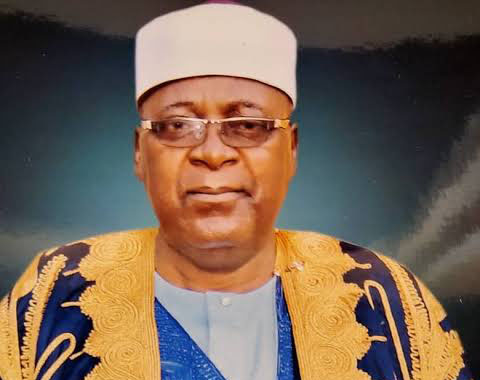
Genealogy of Liimila (Ndiimó) Chiefs: The Historical Evolution of Southern Mambilla Traditional Leadership
The genealogy of the Liimila (Ndiimó) Chiefs provides an important insight into the history, traditional institutions, a…
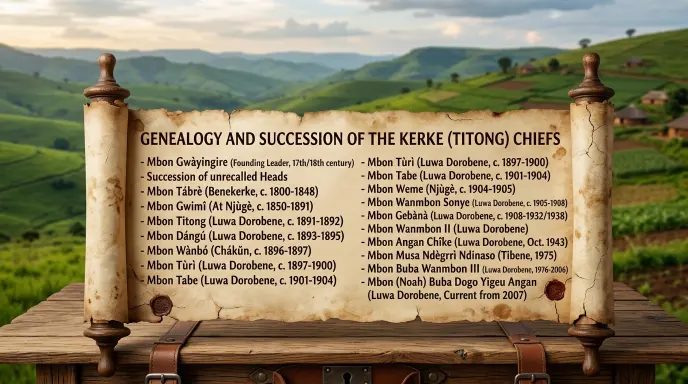
THE LIST OF KERKE(TITONG) CHIEFS
The history of Kerke is closely connected to the traditional leadership and the individuals who have played significant …